
Insurance tips and help
Help and complaints: Get help with questions and issues with your insurance company or agent.
Insurance tips: Learn how to save on insurance, get the coverages you need, and protect yourself from fraud.
Videos: Get informed on a range of insurance topics.
Podcasts: Hear tips and get answers about insurance.
Lea nuestras publicaciones de blog en Español
July 9, 2025
How to apply for FEMA assistance

Do you have repairs or extra expenses from the July flooding or March storms in South Texas?
Homeowners and renters with damage or other storm-related costs not covered by insurance policies can apply for federal disaster assistance.
FEMA might be able to help with:
- Immediate needs like food, water, baby formula, breast-feeding supplies, and medicine.
- Temporary housing.
- Repair to your primary vehicle.
- Extra childcare expenses.
FEMA disaster declaration
DR-4879-TX: For damage starting on July 2 in Burnet, Guadalupe, Kerr, Kimble, Menard, McCulloch, San Saba, Tom Green, Travis, and Williamson counties.
To apply, visit DisasterAssistance.gov or call 800-621-3362.
Disaster Recovery Centers
Disaster Recovery Centers provide disaster survivors with information from FEMA and the U.S. Small Business Administration. Disaster survivors can get help applying for federal assistance, learn about the types of assistance available, learn about the appeals process, and get updates on applications.
Find a Disaster Recovery Center closest to you
Learn more
- Insurance claim tips for Texas flood victims
- Steps to getting your home or car insurance claim paid
- How to avoid contracting scams
- What if my insurance isn't paying enough?
- Workers’ compensation resources for Central Texas flooding
May 30, 2025
Rio Grande Valley victims of flooding and storm damage can get expert insurance help

Rio Grande Valley residents affected by March flooding and storms can seek face-to-face insurance help from state experts starting Friday, May 30.
Texas Department of Insurance employees will be available daily at several locations through June 8. They can answer basic questions including how to file an insurance claim or submit a complaint to the department.
These locations are open from 7 a.m. to 8 p.m.:
Cameron County
Harlingen Convention Center
701 Harlingen Heights Dr.
Harlingen, TX
Hidalgo County
Economic Development Corporation of Weslaco
275 S. Kansas Ave.
Weslaco, TX
Starr County
Starr County Courthouse Annex
100 N. FM 3167
Rio Grande City, TX
Willacy County
Sebastian Community Center
434 West 8th Street
Sebastian, TX
Learn more
- Help after a storm
- How to file your insurance claim
- Steps to getting your home or car insurance claim paid
March 22, 2023
Federal loans available to Texans hit by January storms, tornadoes
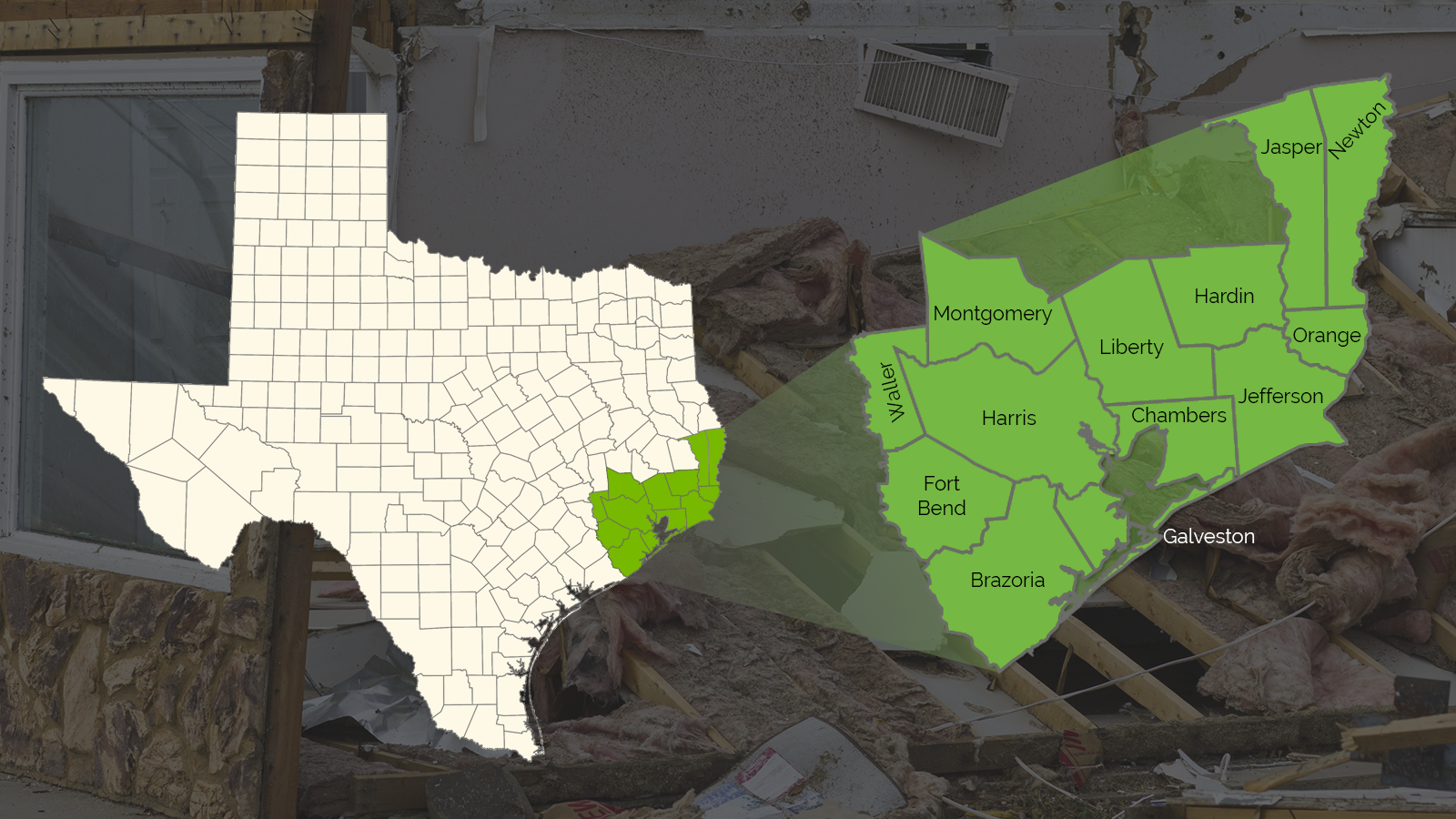
Click image for larger map.
Residents and businesses in 13 East Texas counties hit hard by storms and tornadoes on January 24 can now apply for low-interest disaster loans.
The Small Business Administration (SBA) is offering loans to businesses, nonprofits, homeowners, and renters with damaged or destroyed property in these counties: Brazoria, Chambers, Fort Bend, Galveston, Hardin, Harris, Jasper, Jefferson, Liberty, Montgomery, Newton, Orange, and Waller.
Businesses and nonprofits can borrow up to $2 million, homeowners can borrow up to $200,000 to repair or replace real estate, and homeowners and renters can borrow up to $40,000 to repair or replace personal property and cars. Learn more about the amounts.
You can apply online at sba.gov or by visiting these Disaster Loan Outreach Centers. No appointment is necessary.
Pasadena: Convention Center
7902 Fairmont Pkwy
Monday to Friday: 7 a.m. - 7 p.m.
Saturday and Sunday: 11 a.m. - 5 p.m.
Pasadena: John Phelps Courthouse Annex
101 S. Richey Street, Suite #F
Monday to Friday: 8 a.m. - 4:30 p.m.
The deadline to apply for a loan to repair or replace property is May 16. For more information, call the SBA at 800-659-2955.
August 10, 2022
TDI fraud investigation leads to another guilty plea from a former NFL player

Former Dolphins draft pick Jonathan Rex Hadnot pleaded guilty last week to his role in a scheme to defraud the Gene Upshaw NFL Health Reimbursement Account (HRA). The account was designed to help former pro players with some of the cost of health issues associated with their time in the league.
Hadnot pleaded guilty in a Harris County court to submitting false medical claims for reimbursement. He collected nearly $30,000 from the HRA for medical treatments he never received. He’ll have to repay that money and serve five years’ probation.
The case was investigated by Texas Department of Insurance (TDI) investigators and prosecutors working with the Harris County District Attorney’s Office. Eight former players have been identified in Harris County in connection with the scheme, as well as a Houston athletic trainer.
You can report suspected insurance fraud by calling TDI’s Help Line at 800-252-3439.
Read more about the multi-year investigation and the individuals involved
Houston athletic trainer and former NFL players indicted for fraud
August 4, 2022
Safety and savings tips when you go back to college
Many college students live off campus.
Freedom, right?
But you need to watch out for yourself.
Some money-saving and safety tips:
- Call your health plan to find nearby urgent care centers that are in your plan’s network. This could save you money when you need care.
- Look for the fire alarms and exits in your apartment complex. Some alarms sound a bell. Others have a voice feature telling you where to go if there’s a fire.
- Consider renters insurance. At less than $200 a year, a renters policy can pay to replace your things after a fire or other disaster. It might also pay for you to live somewhere else while repairs are being made.
- Let your auto insurance agent know that you’re back at school. This might save you money.
Hear more expert advice about going back to school in the latest Texas Insurance Podcast.
View podcast Q&A: How college students can stay healthy, safe, and protect their stuff
Learn more
- Renters insurance: What does it cover and how much does it cost?
- Insurance tips - college edition
- Back-to-school safety
July 28, 2022
Thinking about buying a residential service contract? It’s not home insurance.
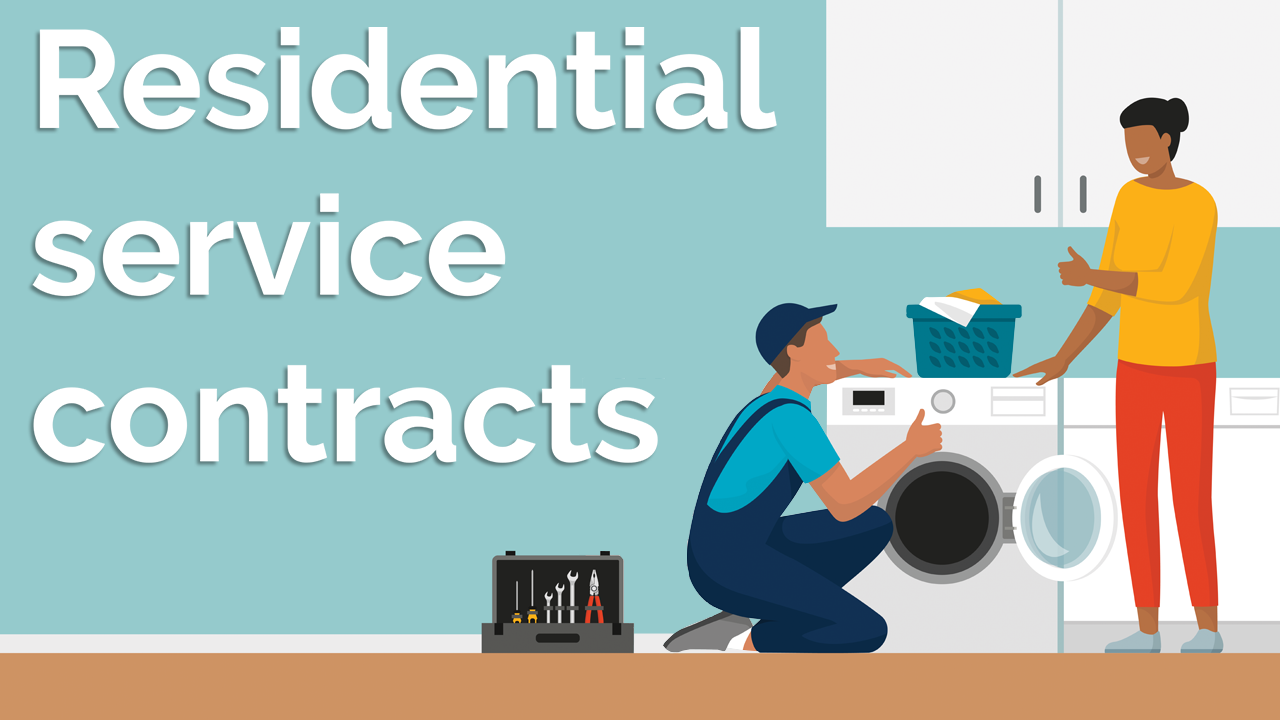
When you’re buying a home, you also might be asked if you want a residential service contract. They’re sometimes called a home warranty.
These service contracts are different than home insurance. Insurance pays for damages from events your policy covers like fire or theft.
A residential service contract covers certain items in your home when they break down from normal wear and tear. (Home insurance doesn’t pay for wear and tear.) Depending on your contract, you may get coverage for appliances, such as stoves and refrigerators, to water heaters, electrical and plumbing systems, and even swimming pools.
Residential service contracts can bring peace of mind about the machines and systems that keep your home comfortable. Not all service contracts are the same, though. Remember to carefully read the contract before signing up.
Under Texas law, companies that sell residential service contracts must be licensed by the state.
In our latest video, we spoke with Elizabeth Salinas-Strittmatter with the Texas Department of Licensing and Regulation (TDLR) about how residential service contracts work.
Learn more
- List of TDLR-licensed residential service companies
- Five things your home policy won’t cover
- Do you have enough insurance coverage to pay for home or car repairs?
July 14, 2022
Spacecraft hit your home? Insurance covers that and more.
You may have heard; NASA plans a year-long study of reported UFOs.
But did you know home insurance would pay if a spacecraft hit your house?
Really.
In the unlikely event a spacecraft damages your home, most home policies would pay for damages. Falling objects is a “covered peril.”
Here’s what else your home policy probably covers—and doesn’t:
- Damages from hail or fire are covered.
- Tornado and inland hurricane damages are covered. If you live near the Gulf Coast, you’ll likely need a separate windstorm policy.
- Most policies cover water damage from leaks and broken pipes, but there are exceptions. Read your policy to see what’s covered.
- Most policies do not cover damage from water that comes from outside your home. You’ll need a separate flood policy.
- Damages from earthquakes are not covered. Neither are termites, wear and tear, and sewer backups.
Learn more
- Home insurance policies: All risk or named peril
- Tips to help you shop for homeowners insurance
- Homeowners insurance guide
- New home? How to shop for insurance (podcast)
July 7, 2022
Detect odorless carbon monoxide, the “silent killer”
You can’t see it. You can’t smell or taste it.
But carbon monoxide gas, which can leak from faulty appliances, car engines, or generators, could make you sick and even kill you.
According to the Centers for Disease Control, carbon monoxide accounts for more than 100,000 U.S. emergency room visits a year. Annually, more than 400 Americans die from breathing in too much.
Protect your family and home by installing carbon monoxide detectors. They’re vital if you have gas-powered appliances or an attached garage.
Learn more, such as where to install detectors, from our podcast. We talked to relatives of a family who died by carbon monoxide poisoning while sleeping.
View podcast Q&A: How to avoid carbon monoxide poisoning
Learn more
- How to avoid carbon monoxide poisoning at home
- Is your smoke or carbon monoxide alarm chirping? Here’s what it’s telling you.
- Carbon monoxide detectors save lives (video)
June 27, 2022
Leave July 4 fireworks to the professionals

Love fireworks?
For safety’s sake, let a professional light up your Independence Day.
State Fire Marshal Orlando Hernandez said: “If you want to see great fireworks, save money, and stay safe, go to a professional show. Our office has issued more than 250 permits for Fourth of July shows, so there’s probably one nearby.”
Check your local news or social media for local Fourth of July fireworks shows.
Another caution: Most communities don’t allow you to use fireworks within city limits or during local burn bans. Check with your local fire department to see what’s allowed.
Hernandez added: “There are no safe fireworks for children.” He said some sparklers burn at nearly 2,000 degrees, as hot as a blow torch.
“Have fun,” Hernandez said, “but stay safe, Texas.”
Learn more
How to stay safe when using fireworks
May 18, 2022
Federal loans available to Texas homeowners, businesses, renters hit by March storms, tornadoes
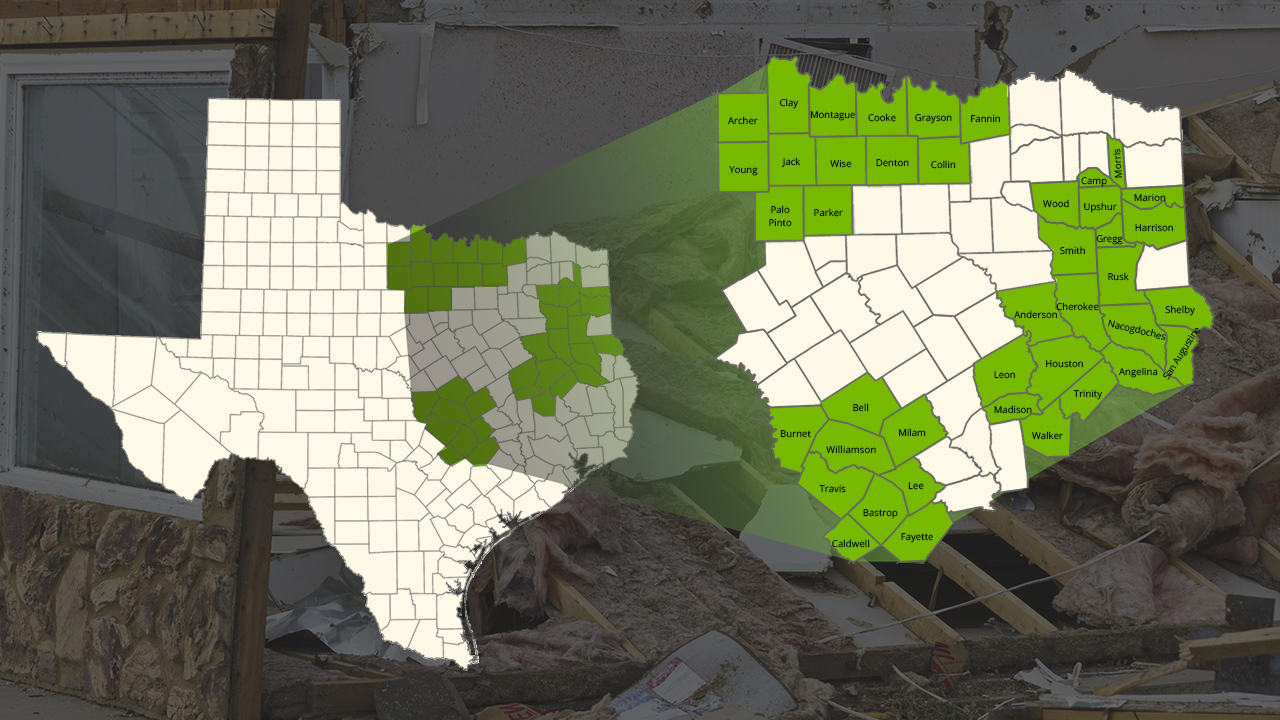
Click on image to enlarge
Residents and businesses in more than 40 Texas counties hit hard by storms and tornadoes on March 21 can now apply for low-interest disaster loans.
Assistance through the Small Business Administration (SBA) is available in these counties: Anderson, Angelina, Archer, Bastrop, Bell, Burnet, Caldwell, Camp, Cherokee, Clay, Collin, Cooke, Denton, Fannin, Fayette, Grayson, Gregg, Harrison, Houston, Jack, Lee, Leon, Madison, Marion, Milam, Montague, Morris, Nacogdoches, Palo Pinto, Parker, Rusk, San Augustine, Shelby, Smith, Travis, Trinity, Upshur, Walker, Williamson, Wise, Wood, and Young.
Loans are available to homeowners, businesses of all sizes, most private nonprofit organizations, and renters whose property was damaged or destroyed by the storms or tornadoes.
Five Disaster Loan Outreach Centers are open with SBA customer service representative to help answer questions. No appointment is necessary.
Bastrop County
Disaster Loan Outreach Center
Bastrop County Tax Annex
1125 Dildy Drive
Elgin, TX 78621
Monday - Friday, 8 a.m. – 4:30 p.m.
Closes at 4:30 p.m. Thursday, May 26
Houston County
Disaster Loan Outreach Center
Crockett Civic Center
Crockett Economic & Industrial Development Board Room
1100 Edmiston Drive
Crockett, TX 75835
Monday - Friday, 9 a.m. – 6 p.m.
Closes at 6 p.m. Thursday, May 26
Montague County
Disaster Loan Outreach Center
Montague County Courthouse
Old County Courthouse – Third Floor
11339 State Highway 59 N
Montague, TX 76251
Monday – Friday, 8:30 a.m. - 5 p.m.
Closes at 5 p.m. Thursday, May 26
Nacogdoches County
Disaster Loan Outreach Center
Cushing Volunteer Fire Department
783 Walnut Ave.
Cushing, TX 75760
Monday – Friday, 9 a.m. – 5:30 p.m.
Closes at 5:30 p.m. Thursday, May 26
Upshur County
Disaster Loan Outreach Center
Upshur County Courthouse
100 West Tyler St.
Old Commissioners Meeting Room – Third Floor
Gilmer, TX 75644
Monday – Friday, 8:30 a.m. – 5 p.m.
Closes at 5 p.m. Thursday, May 26
SBA representatives are also available to meet with residents in Jacksboro (Jack County) and Jarrell (Williamson County).
Jack County
Disaster Loan Outreach Center
Jack County Courthouse
100 North Main St.
Jacksboro, TX 76458
Monday - Friday, 8:30 a.m. – 5:00 p.m.
Close date to be determined.
Williamson County
Disaster Loan Outreach Center
Wayfinders Church
508 North Fifth St.
Jarrell, TX 76537
Monday - Friday, 9:00 a.m. – 6:00 p.m.
Close date to be determined.
Loan applicants can apply online, get more disaster assistance information, and download applications on the U.S. Small Business Administration’s website. Applicants can also contact SBA’s Customer Service Center for more information at 800-659-2955 or disastercustomerservice@sba.gov.
People who are deaf, hard of hearing, or have a speech disability should dial 7-1-1 to access relay services.
For more detail, including possible loan amounts, read the SBA’s press release.
April 7, 2022
Happy birthday to ‘The Texas Insurance Podcast’
Candles, cake, and consumer tips?
Yep, we’re celebrating a year of providing helpful insurance tips through TDI’s “The Texas Insurance Podcast.”
Every month, Ben Gonzalez of the Texas Department of Insurance talks to insurance experts about issues affecting your home, health, or auto coverage, including how to save money.
New to podcasts? No problem.
We make it simple: You can listen to any of our episodes on The Texas Insurance Podcast webpage.
Are you a podcast fan?
Be sure to get new episodes delivered to you. And let us hear from you. Your reviews and feedback help us improve content.
You can subscribe for free through your favorite podcast service. Find a list down the right side of this page.
Here are some of our favorite episode tips
-
In the market for a used car? The National Insurance Crime Bureau talks about checking a vehicle’s VIN number to confirm its ownership history. And the Better Business Bureau shares how to avoid scams.
Listen now: How to check a used car’s history and avoid scams
-
Texas Division of Emergency Management (TDEM) shares storm and hurricane planning advice. TDEM encourages families to have a “go kit” ready in case they need to leave home fast. Your “go kit” should have flashlights, batteries, phone chargers, water, pet food, your regular medicine, and copies of your home insurance and flood policies.
Listen now: How to prepare for hurricane season
-
The Houston Police Department talks about how to prevent car break-ins. The best step? Don’t leave valuables in your car. Also noted: Today’s thieves often rifle through vehicles looking for loose handguns.
Listen now: Car burglaries and break-ins are increasing. Here’s how to protect your car
Listen to all 13 episodes at The Texas Insurance Podcast.
April 7, 2022
Shop to save money on your car insurance
You probably shop for the best prices and quality when you’re looking for new clothes, tech products, and food.
But do you do that for car insurance?
Give it a try.
Quick tips to save on coverage:
- Shop around. Companies charge different rates. You often get a better deal if you’re willing to switch companies.
- Ask about available discounts—for a good driving record, for having an alarm in your car, or for taking defensive driving or driver education classes. You could also get a discount for having your auto policy with the same company as your home insurance.
- Your premium is what you pay up front for coverage. But don’t forget to check on your deductible—what you must pay after an accident before the insurance company pays. A lower deductible usually means you’ll have to pay more up front for the policy. Think about how much you can afford to pony up if your car is damaged.
Hear more tips and learn what drives the cost of car insurance in the latest episode of “The Texas Insurance Podcast.”
View podcast Q&A: How to lower car insurance costs
Learn more
- Ask for discounts to lower your auto insurance premium
- How you drive could save you money on car insurance
- Shopping for auto insurance: What to know before you buy a policy
- Answers to your auto insurance questions (podcast)
March 4, 2022
InsurED webinars
Continuing education webinars
Earn continuing education credit by joining one-hour webinars presented by Texas Department of Insurance (TDI) staff.
Webinars will feature updates and time for Q&A.
Register to join
Click the links below to register and get details.
- April 14: Life and health form filings: Checklists, tips, and new rules
- April 28: Affordable Care Act (ACA) rate review
- May 12: Surprise medical bills: Senate Bill 1264 and the independent dispute resolution (IDR) process
- May 26: Mental health parity: History and overview
- June 9: Property and casualty filings and update
February 24, 2022
Did you get a surprise medical bill? You might not have to pay.
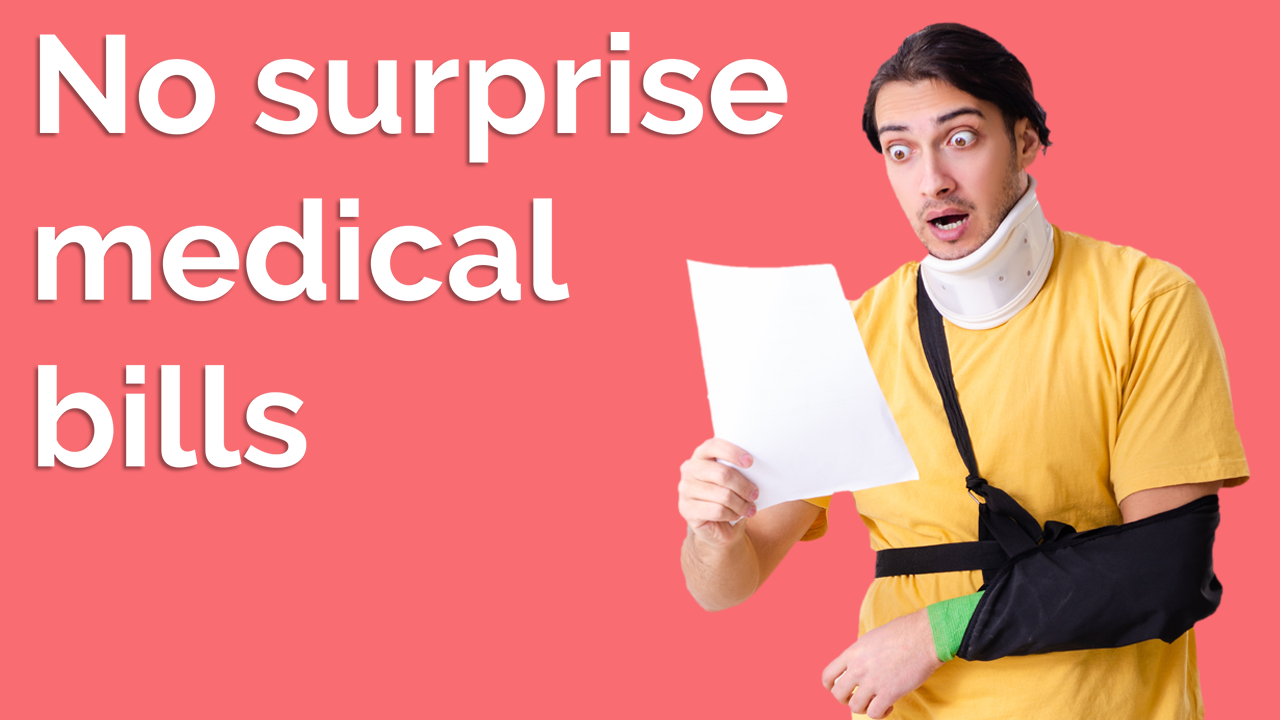
Nobody likes getting a medical bill they weren’t expecting.
Good news: You might not have to pay it.
A new federal law and a 2019 state law bans out-of-network doctors, hospitals, and other health care providers from billing you in emergencies or when you didn’t have a choice of doctors. These bills are called “surprise bills.”
Federal law also protects you from surprise bills from air ambulance services.
We have tips about what to do with a surprise bill. Visit our webpage, How to get help with a surprise medical bill.
Learn more
- How consumers are protected from surprise medical bills
- Balance billing: independent dispute resolution
February 24, 2022
Driving on slick streets? What to do if you’re in a wreck
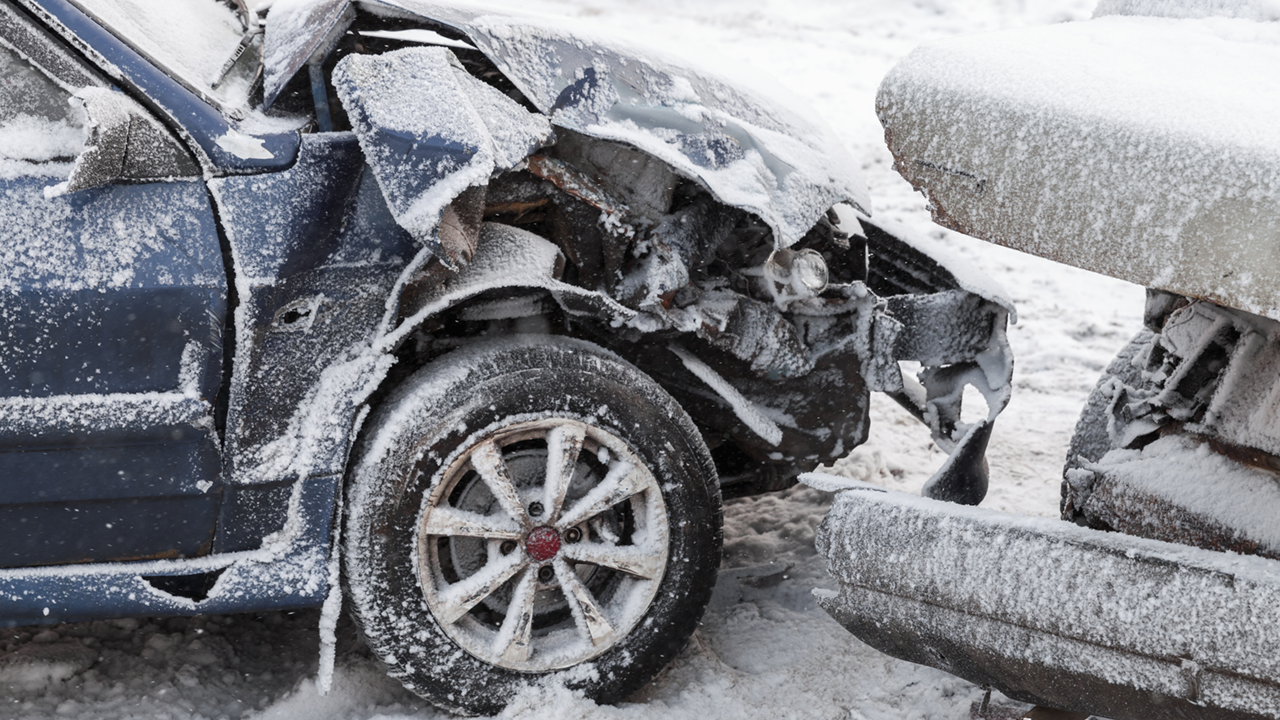
If you must drive in dangerously icy or slick conditions, remember to proceed with caution.
And what if you’re in a wreck?
First, make sure that nobody is hurt.
After that, you’ll want to reach out to your auto insurance company. If you need help filing a claim, contact us at 800-252-3439.
Some tips about making your insurance claim after a wreck:
- Were you in a wreck? Tips for auto insurance claims
- My car was totaled! Now what?
- Or watch our video, “What should you do after a wreck?”
More: Will your auto insurance pay after a hit-and-run crash?
January 28, 2022
Texas town listed as the US lightning strike capital
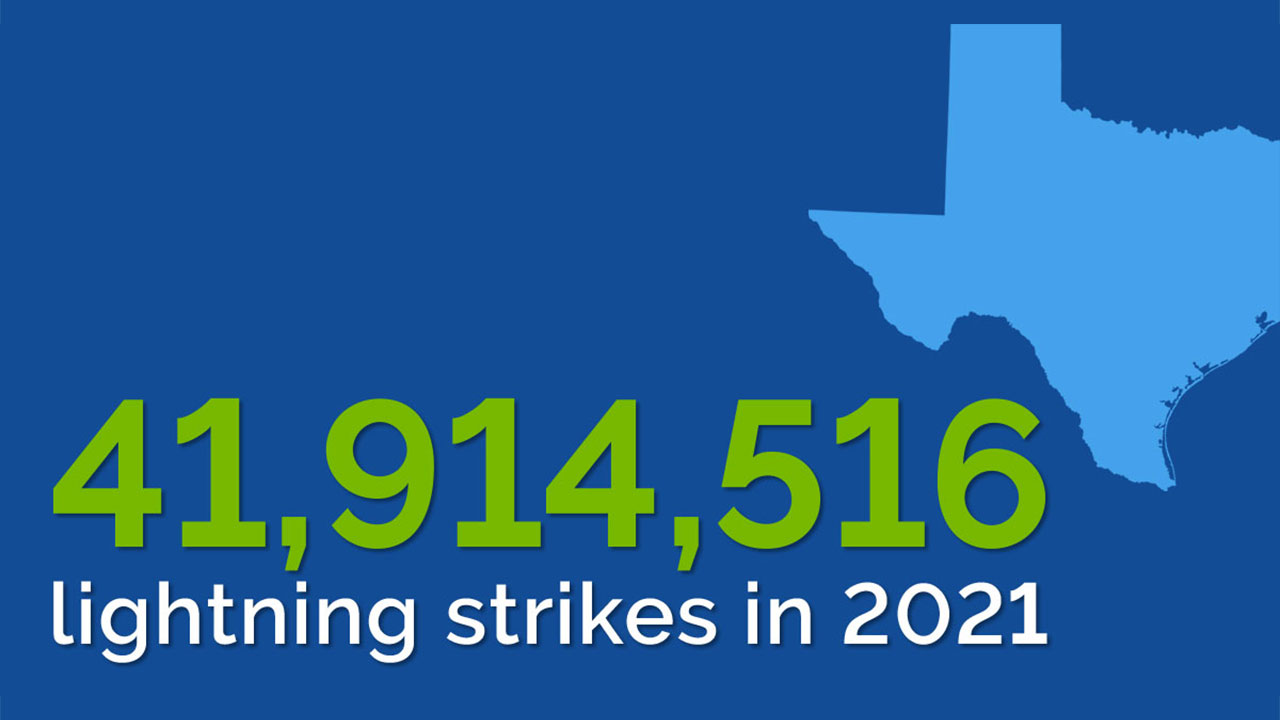
Texas again topped all states in lightning strikes last year, according to a recent report (PDF). And Flatonia in Central Texas was the nation’s lightning strike capital.
Lightning struck nearly 42 million times in Texas, according to information from the U.S. National Lightning Detection Network. Florida, Louisiana and Oklahoma were next to see the greatest number of strikes, 15 million or less.
Ahem: Texas always leads in lightning strikes, it turns out, due in part to its size and southwestern location.
We were shocked (excuse us) to learn Flatonia, in Fayette County, is the nation’s lightning capital with 1,043 lightning “events” per square mile. See 2021 United States lightning capitals (PDF).
This is no time to get jumpy. Check out TDI’s tips on protecting yourself from lightning.
January 27, 2022
You could save money by comparing car insurance prices

People routinely price-shop food, clothes, tech products and other items. Yet in 2020, more than half of U.S. customers didn’t take any action to manage their auto insurance costs, according to a J.D. Power study released in 2021.
Customers who did act mostly chose to reduce coverage; increase their deductible; or shop or shift to a different provider, the study found.
Michele Thomas of TDI’s Property and Casualty Division suggests that car owners check coverage prices every two years or so—especially if you haven't had any tickets or accidents in some time.
Your price check should start with your current carrier. It might have discounts reducing your costs.
Watch our video, How to save on car insurance.
Learn more
- Ask for discounts to lower your auto insurance premium
- How you drive could save you money on car insurance
- Shopping for auto insurance: What to know before you buy a policy
- Answers to your auto insurance questions (podcast)
January 24, 2022
Don’t ‘puff’ your cold car or truck outdoors; keep thieves away
It’s tempting in cold weather to start your car or truck and then scoot indoors while it turns toasty. This is known as “puffing” because steam puffs out of the exhaust pipe while your ride warms up.
But beware. Thieves may see your unattended vehicle as a drive-away opportunity.
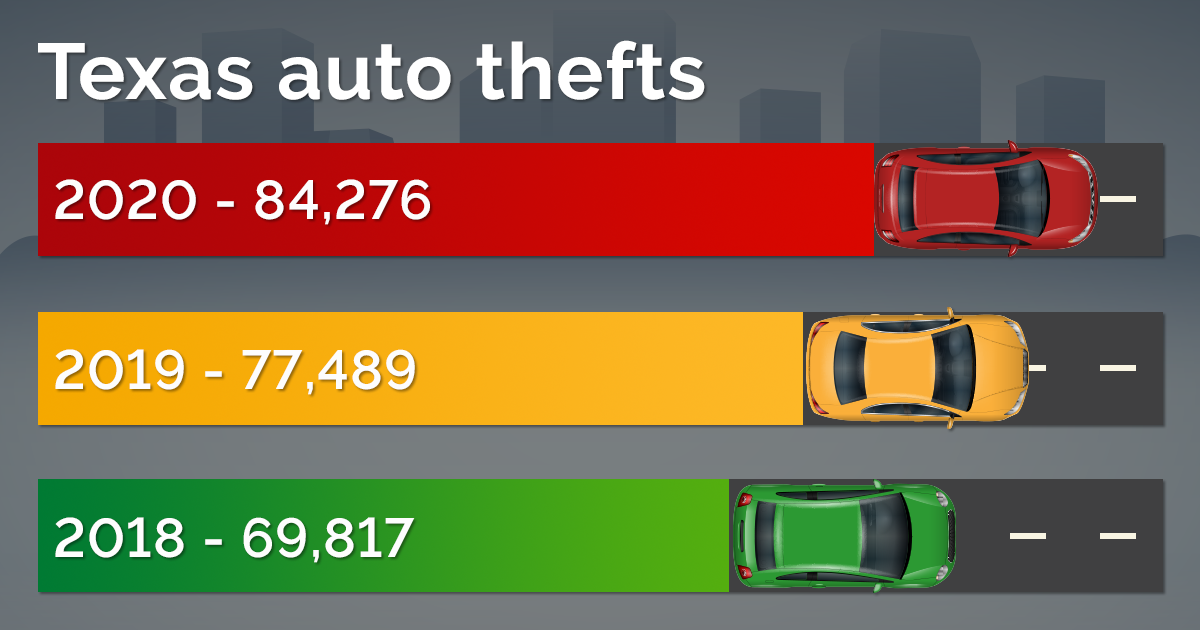
Over a recent three-year period, more than 17,000 Texas cars and trucks were stolen with keys or fobs left inside. And that count may be low because many drivers don’t admit to making the mistake. These incidents also aren’t noted in police reports or insurance claims, according to the National Insurance Crime Bureau.
Other tips to avoid break-ins and thefts
- Lock doors and windows as soon as you enter your vehicle.
- Park in well-lit areas.
- Use a loud alarm or an anti-theft device a thief can see.
- Install a catalytic converter cover or lock.
Learn more
- Auto theft and insurance: How to protect your ride
- Tips to avoid car break-ins (video)
- Car burglaries and break-ins are increasing. Here’s how to protect your car (podcast)
January 6, 2022
New year, new you—and your health plan could help
Are you resolving to shape up in 2022?
Your health insurance plan could help.
Check your plan’s website or call your agent to see if your plan offers:
- Free or discounted weight loss or wellness programs.
- Free or discounted programs to help quit cigarettes and other tobacco products.
- Discounts on gym memberships or fitness equipment.
- A free app to help you count steps and track your fitness.
In TDI’s latest Texas Insurance podcast, Department of State Health Service’s Statewide Wellness Coordinator Lesley Jimenez offers fitness advice. Also, TDI’s Cindy Wright talks about insurance coverage of mental health benefits.
Listen to our podcast, Ways to help make healthy New Year’s resolutions stick.
December 9, 2021
How can I find the best health care insurance for my needs?
When shopping for health insurance, there’s a lot to consider. In this video, we share tips for how to shop smart:
- Be aware of the deadlines to enroll if you’re shopping for health insurance through HealthCare.gov:
- You have until December 15 to get coverage on January 1.
- You have until January 15 to get coverage on February 1.
- If you have a medical issue or a doctor you like seeing, make sure that plan covers treatment, and your provider is in the plan’s network. If you take a medication, make sure it is covered. Call the insurance company if you have questions about what’s covered.
- Review out-of-pocket costs including deductibles and co-pays, which can increase depending on the cost of the plan.
- If costs have you worried, find out if you can get a tax credit. “Premium tax credits” or subsidies are based on your income. More people are expected to get subsidies than in past enrollment periods.
Use our checklist to help you decide on health coverage. Health plan shopping guide.
Make sure you weigh your options when it comes to health care insurance coverage. The Health care coverage guide has answers about how coverage works or if you need help understanding your rights.
Texas Health Compare allows you to find and compare health insurance plans. If you have more questions, call the TDI Help Line at 800-252-3439.
November 18, 2021
Does insurance cover water damage caused by burst pipes?
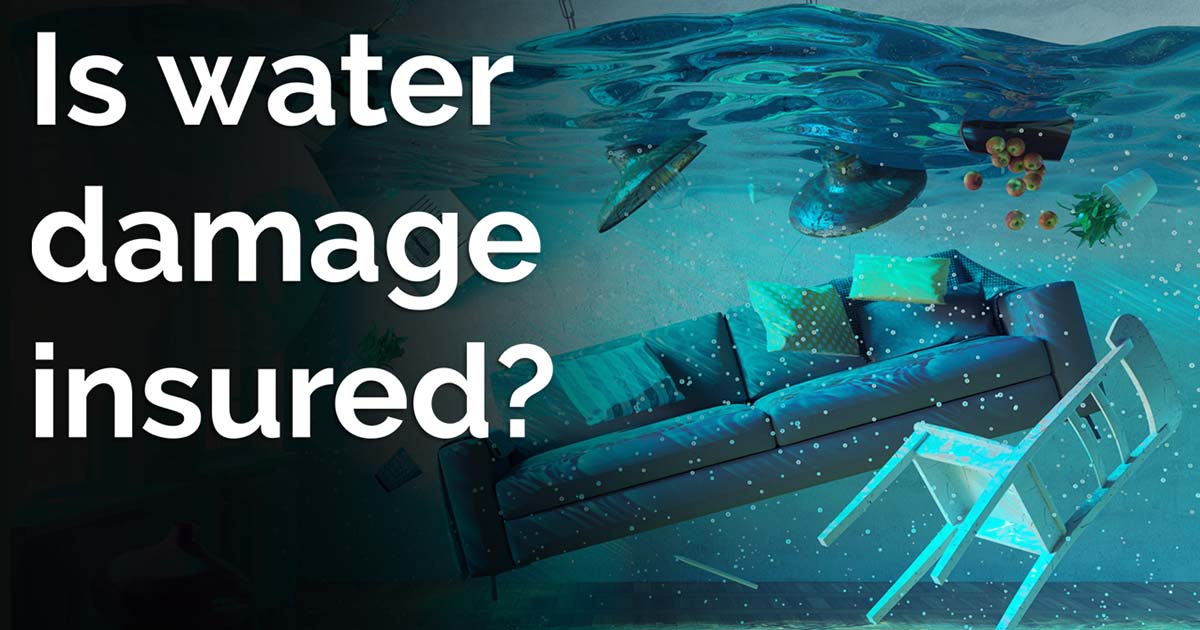
When Winter Storm Uri covered Texas in ice and snow in February 2021, it caused more than $8 billion in insured losses. Texans filed more than 450,000 insurance claims after the storm. A lot of that damage was caused by water from broken pipes.
In our latest video, we asked our Property and Casualty Division what Texans need to know about insurance coverage for water damage.
- Most homeowners policies cover water damage from leaks and broken pipes, but there are exceptions. Always read your policy to see what’s covered.
- If you rent, the owner’s policy won’t cover your furniture, electronics, clothing, or other personal items. Consider buying renters insurance to cover your things.
- If you have a leak, turn the water off at the main and move expensive items off the floor. Your insurer may deny your claim if you don’t protect your property.
- Home and renter’s insurance only cover leaks that happen inside your home. They don’t cover flood damage. You need a separate policy to cover flooding. Visit floodsmart.gov for more information.
For tips about damages caused by issues like burst pipes, see When are Water Damage and Mold Covered by Insurance?
There are also steps you can take to protect you home and property from winter damage.
November 4, 2021
Many Americans planning trips; some considering travel insurance
The majority of Americans plan to travel soon—and about one in three travelers say they’re likely to purchase travel insurance, according to a survey by AAA.
The AAA survey found:
- 55% of American adults are planning a vacation of at least one overnight stay before the end of 2022.
- 31% of people planning to travel between now and the end of 2022 are more likely to purchase travel insurance due to the pandemic.
- 69% of travelers said the ability to cancel a trip and get a refund is the most important benefit when considering travel insurance.
In TDI’s latest Texas Insurance podcast, Megan Cruz of the US Travel Insurance Association encourages shoppers to check exclusions in any travel policy before buying.
Cruz also suggests that before you use your policy to cancel a trip, you should contact your hotel and airline. Both could waive reservation cancellation penalties and give credits to reschedule travel. After that, Cruz says, check if the provider of your travel insurance will let you change your coverage dates to a later time.
Listen to our podcast, What does travel insurance cover?
October 14, 2021
Protect your information from scams during Medicare open enrollment
Did you get a phone call from someone offering a free COVID-19 vaccine or a gift if you give them your Medicare information? It’s probably a scam. A health plan will never call you out of the blue and ask for personal information.
Medicare open enrollment—the time of year you can sign up for or make changes to a Medicare plan—is from October 15 to December 7. Which also makes it prime time for scammers.
Never give your Medicare information to someone you didn’t expect to get a call from. If you aren’t sure, call 800-252-9240 to find your Area Agency on Aging, or check with your local State Health Insurance Assistance Program.
About 4 million Texans have health insurance coverage through Medicare. In our new video, we talked to Yvette McVeigh with the Area Agency on Aging. McVeigh explains what to do when your plan doesn’t cover the medications you need or let you see the specialist who’s right for you. She also had great advice for avoiding scams.
September 30, 2021
TDI answers your auto insurance questions
Not sure what kind of auto insurance you need? Wondering why your rates went up? In our latest podcast, TDI experts answer your top auto insurance questions.
Here are a few of the questions we hear the most.
- What should auto insurance cost, and what’s the best kind to get?
- Why do my neighbors pay less for auto insurance than I do?
- Should I buy the insurance car rental companies try to sell me?
- Should I get “gap coverage” when I buy a new car?
- Why do insurance rates in Texas seem higher than in other places?
- What can I do to keep costs down?
Listen to the podcast to get the answers and some money-saving tips.
September 23, 2021
Need life insurance? Young Texans should consider it too

COVID-19 concerns are driving an increase in life insurance purchases by younger Americans. Applications were up 8% for those under 45 years old. In our new video, TDI’s Life and Health section explains what Texans need to know about life insurance.
Anyone with a family business, assets, or people to protect should think about buying life insurance. Here are some important questions to ask yourself:
- If I were to die, how would that affect the people in my life?
- Would there be money to pay for a funeral?
- How much money would people in my life need to make ends meet without me?
- Would they lose their homes?
- If you have children, who’s going to pay for their education?
Write those questions down, and it will help you determine how much life insurance you need.
You’ll also need to decide between term life and whole life insurance.
Term life is the least expensive. It’s based on a time period or your age. When you get to the end of the term period, or reach the age, the insurance ends. There may never be a payout, because you're just covering yourself for a portion of your life when others rely on your income.
Whole life insurance, also called permanent insurance, is there for your entire life. Whole life can be expensive, but that’s because it lasts until you die and the policy pays out. Unlike term life, a whole life policy will accumulate cash value over the years.
More tips:
August 26, 2021
Apartment hunting? Look for these safety features
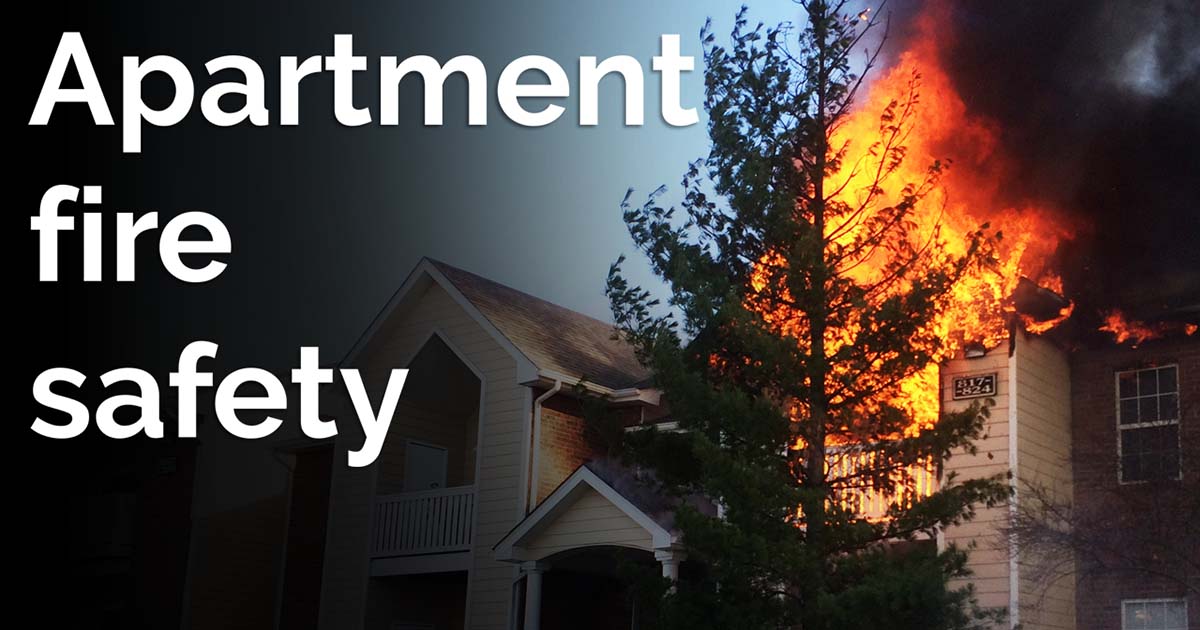
Heading off to college? Starting your career in a new town? If you’re getting a new place for the first time, check out our new video for fire safety tips from the Texas State Fire Marshal.
Look for sprinkler systems and fire alarms. The best systems have voices, not beeping, because people wake up faster to a voice than a noise. And always check the evacuation plan.
The most common causes of apartment fires can all be avoided—here’s how:
- Don’t cook when you’re tired—or leave a cooking fire unattended.
- Don’t overload power outlets with chargers and electronics.
- Avoid candles, or at least keep combustibles away from them. Better yet, get artificial candles that flicker like a flame.
- Don’t put anything within three feet of a space heater.
- If you have a clothes dryer, clean the lint out of the vent.
Make sure your new place has smoke and carbon monoxide detectors. Check the manufacturing date on the back of each one. Have your landlord replace any that are 10 years old.
Think about fire safety when you go out, too. Look for alternative exits at football games, concerts, clubs, stores, and restaurants. In an emergency, most people crowd the front door, so make sure you know other ways out. If any place gets too crowded, leave.
And remember, your landlord’s insurance only covers the building. You need renters insurance to cover your things inside it. For more information, visit tdi.texas.gov or call 800-252-3439.
We’ve also got tips on how to avoid carbon monoxide poisoning at home.
August 19, 2021
Could a travel insurance policy pay off on your next trip?

Air travel is hitting pandemic highs—a record 2.2 million people went through airport checkpoints during the first Sunday in August, according to the U.S. Transportation Security Administration.
Still, there’s a lot of uncertainty to travel these days. So for our new video, we talked to the U.S. Travel Insurance Association about protecting your travel plans.
You can buy travel insurance that covers things you already paid for, such as flights, cruise tickets, or hotel deposits. You can also buy a “cancel for any reason” policy, which pays back about 50 to 70% of the cost of your trip if you if you cancel for any reason—or even no reason.
How do you know if you need travel insurance? Well, think about what you’d have to pay if you had to cut your trip short. Could you afford another ticket? What if you had to book an extra night in a hotel? Or if you had to be evacuated for medical reasons? If you can’t cover those costs, consider buying travel insurance.
Travel insurance typically costs between 5 and 10% of the cost of your trip. Adding “cancel for any reason” coverage will cost 40 to 70% more. And while most policies don’t cover the COVID pandemic itself, they may cover things like a quarantine, sickness, job loss, bad weather, or a government-mandated airport shutdown.
Read our tips: Travel insurance: What does it cover and when do you need it?
August 5, 2021
Buying a used car? Here’s how to avoid scams
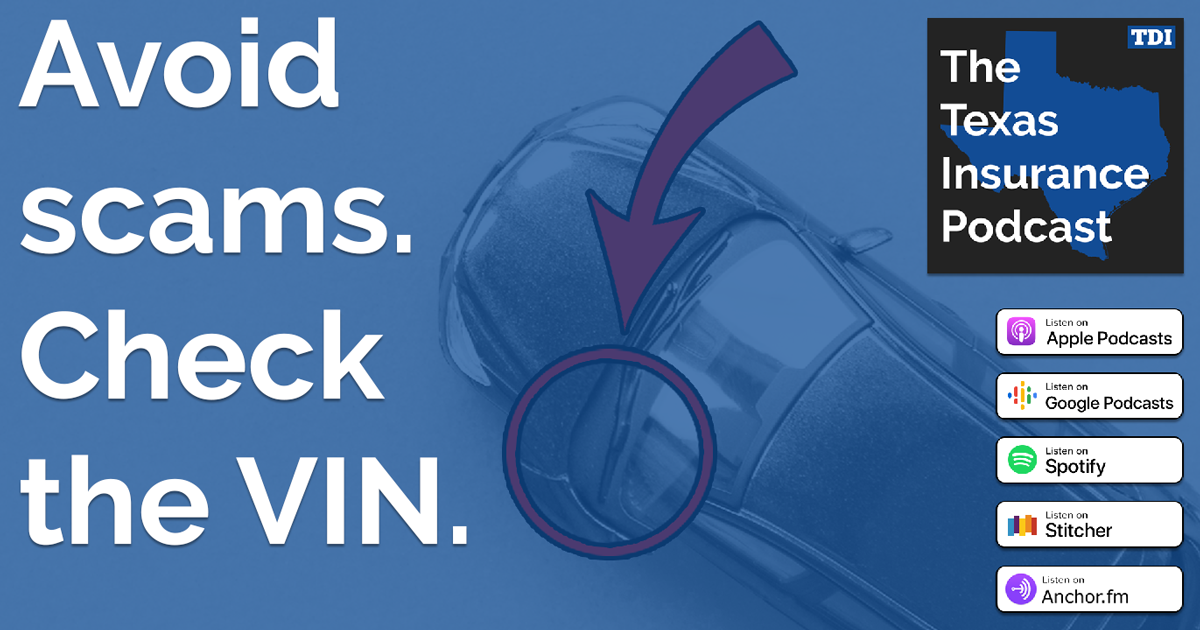
Buying a vehicle? Curious about the one you’ve got? Did you know you can check a car or truck’s vehicle identification number (VIN) number to learn more about it? The information you get with a VIN can help keep you safe and save you money.
For our latest podcast, we talked to the National Insurance Crime Bureau (NICB) about how a VIN can help you. And the Better Business Bureau (BBB) of Greater Houston shared how to avoid scams when you buy a vehicle online.
Some tips: You can use NICB’s VINCheck to find out if a vehicle was stolen or damaged. A VIN can also tell you if it was flooded during a hurricane. That’s important because, if it was, sensors for airbags and bumpers could fail in an accident.
It’s also a good idea to check with the Better Business Bureau in your area when you buy a used vehicle, especially if you buy online. The BBB can tell you if a seller or website has a lot of complaints or bad reviews. And they can tell you about the latest scams—like a price that’s too good to be true, or a third-party escrow site that seems fake.
If you’re in the market for a car or truck, listen to our podcast for more information.
July 29, 2021
Home insurance isn’t required. But it makes sense.
No law requires you to have home insurance. But having a policy can protect your investment, giving you peace of mind.
If you have a mortgage, your lender probably requires home insurance.
A study by the Texas Real Estate Research Center estimates that 4.1% of Texas homeowner households with a mortgage don’t have home insurance. In contrast, 26% of Texas residents who own their homes free and clear of debt lack home insurance—with rural homeowners generally more likely to lack coverage, the study says.
A home policy can help even if your home is paid off. It shields you from facing potentially massive out-of-pocket costs to repair or rebuild if a burst pipe, fire, or other incident wreaks damage.
Questions to ask your agent or insurance company
- What kinds of damages does the home policy cover?
- Does the policy fully cover replacing my house and possessions?
- What’s the premium, what I pay for the policy up front?
- What’s my deductible, what I must pay before the insurance pays anything?
- Do I need additional coverage such as a flood policy?
See more in our new video on common questions about home insurance.
Ready to shop? Use TDI’s home insurance guide.
July 27, 2021
Before starting your home business, check on insurance needs

Starting a business? You may have new insurance needs even if you’re working from home.
Texans are starting businesses at a faster clip. More than 250,000 businesses launched in the state the first half of 2021 — up from 152,000 the first half of 2020, according to federal statistics.
If you’re starting a business at home, your homeowner’s policy might not cover your equipment, products, or injuries to employees and customers. Some coverages worth exploring:
- Coverage of expensive equipment, special tools, or inventory.
- Business interruption coverage to make up for lost income if your business is put on hold after a break-in, storm, or fire.
- Data breach or cyber liability coverage — especially if you store anyone’s personal data.
- A commercial auto policy if you make deliveries or regularly need to pick up supplies.
- Workers’ compensation coverage, additional liability coverage, or an umbrella liability policy in case an employee or customer has an accident in your home.
Ask your agent or insurance company if you can bundle coverages into a business policy to save money.
Read our updated tips: What insurance do I need to run a business from home?
Watch our video on what you need to know about business insurance.
July 23, 2021
2021 Insurance Summer Games

Sorry sports fans, there won’t be spectators at the Olympics in Tokyo. But welcome to TDI’s Summer Insurance Games! We look at the insurance tips with the most web hits, video views, and podcast listens. You’ll experience the thrill of victory and the agony of a totaled car. The winners:
100 meter insurance blog
- Bronze medal: A look at the 2021 hurricane season
- Silver medal: Buying a house? Ask for a CLUE report
- Gold medal: How rising lumber costs affect your insurance
Insurance tips floor exercise
- Bronze: Find an agent
- Silver: Replacing your roof
- Gold: My car was totaled! Now what?
200 meter freestyle podcast
- Bronze: How to prepare for the 2021 hurricane season
- Silver: After a storm: Dealing with insurance claims and avoiding repair scams
- Gold: Car burglaries and break-ins are increasing. Here’s how to protect your car
400 meter video hurdles
- Bronze: How to prepare for hurricane season 2021
- Silver: What FEMA covers and who can apply
- Gold: What happens if your car is totaled?
Still need some help? Consider this video our closing ceremony. We’ll see you in a few months for the winter games.
July 15, 2021
How $50 can strengthen your roof
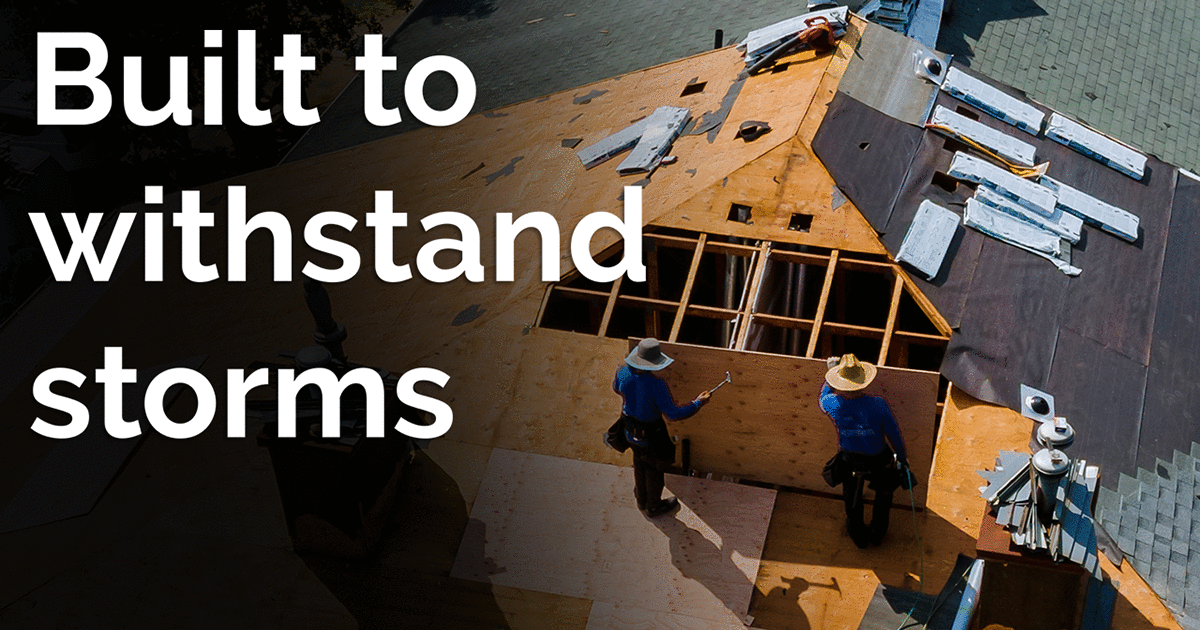
Did you know spending about $50 on the right kind of nails can double the strength of your roof?
The Insurance Institute for Business and Home Safety shares advice that can help you protect your roof and your home from storms. The institute tests products in storm-like conditions, then lists the best at www.fortifiedhome.org.
Here are the institute’s top tips for protecting your roof
- Make sure the roof decking—which is what shingles or a metal roof sit on—is attached to the trusses or the rafters with ring shank nails. Ring shank nails have ridges or grooves on them.
- Seal the roof deck to keep wind and water out of the roof cover. That will keep water out of the house and from causing even more damage.
- Purchase roof covering products designed to resist the conditions you actually face in your area. You don’t always have to spend more money.
- Make sure your garage door is properly rated. If you lose it in a storm, the pressure change inside your house could cause major structural failures.
Watch this video to learn how to strengthen your roof and home.
July 9, 2021
Home improvement ideas – indoor edition

Home improvement is a never-ending adventure. We’ve got ideas for July projects to help you make progress without breaking a sweat.
Shop around: Even if you aren’t building or remodeling, higher construction costs may mean you need to increase your homeowners insurance policy limits. We talked to the Insurance Council of Texas about ways to lower your costs.
- Look at your deductible and think about how much you can afford to pay if your home is damaged. Switching from a $500 deductible to a $1,000 deductible can save as much as 20% on the cost of your premium.
- Watch the full interview for more tips.
Make a home inventory: Having a list of what you own will help if you need to file an insurance claim after a disaster. You can start by taking photos or a video of each room. There are also apps to help you put together a home inventory.
Tune in as we interview experts: Join us on Facebook, Twitter, or YouTube as we talk to industry experts on a variety of topics.
- July 15: The Insurance Institute for Business & Home Safety talks about building and remodeling projects that can reduce the risk of damage to your home. Watch video
- July 29: We searched Google for the most common questions about home insurance. We’ll go over the answers with one of our TDI experts. Watch video
July 8, 2021
Do construction costs affect my home insurance?

The cost of lumber tripled in the past year. We talked to the executive director of the Insurance Council of Texas about how construction costs factor into what you pay for homeowners insurance.
Insurance covers the cost to rebuild your home after a disaster. As construction costs increase, it’s important to adjust your policy limits. While you might be tempted to save money by getting less coverage when you renew your policy, that could mean higher out-of-pocket costs for you if your home is damaged or destroyed.
To look for the best deal on insurance, shop around with HelpInsure.com. Texas has more than 160 homeowners insurance companies, so smart shoppers will take advantage of the competition. And check out discounts for bundling or smart home technology.
Watch this video to see what construction costs mean for your homeowners insurance and for tips to keep your insurance costs down.
July 1, 2021
Podcast: How to find a new health plan now
Choosing the best health insurance is kind of like picking the perfect mix of streaming services. The choices are overwhelming and costs add up quickly. We can’t help with streaming, but we have tips on how to find the right insurance coverage and avoid scams.
From now until August 15, anyone can sign up for a health plan through Healthcare.gov. You may even qualify for subsidies to help pay for your coverage.
You also can buy health insurance from an insurance company or licensed agent. Or you may have options through your employer, a union, an association, or your church.
There are a lot of different plans, all with different costs. Listen to our podcast to learn how to find the right one for you. And our health plan shopping checklist has a list of questions to ask before you buy a plan.
June 22, 2021
Are your collectibles worth a lot? Are they insured?
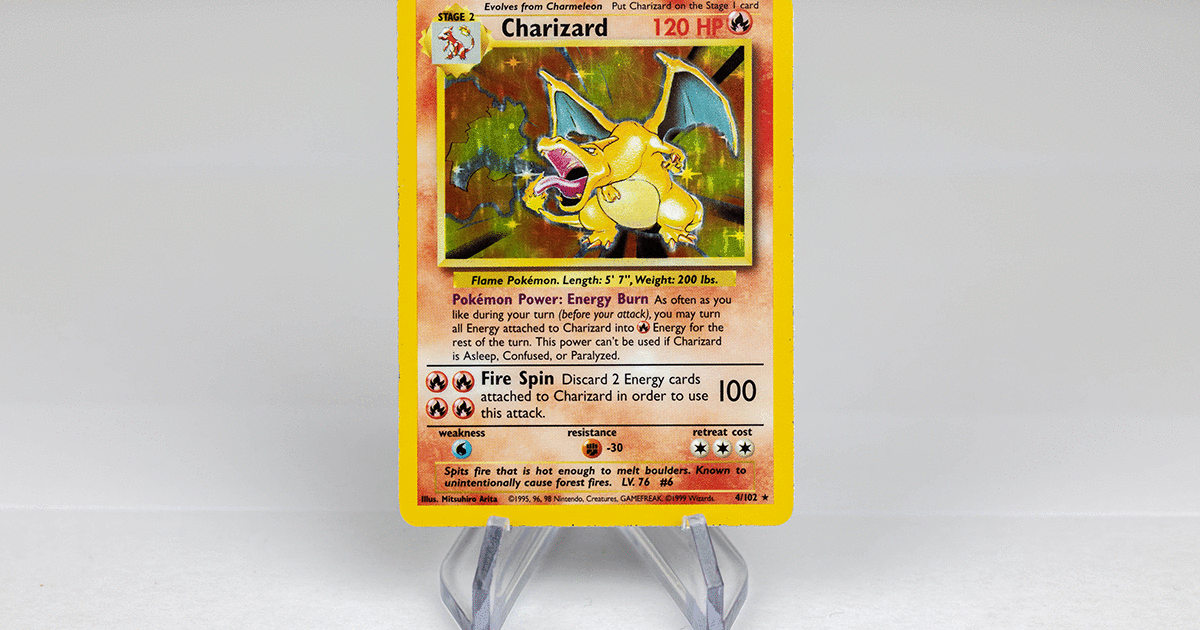
The rapper Logic was just as surprised as we were when his rare Pokémon card sold for nearly $200,000 at an auction this year. Even if you’re not that lucky, you might have other valuable antiques, toys, coins, or memorabilia sitting around. Maybe they could fetch a pretty penny.
But do you have insurance for them if they’re stolen or damaged? Most home and renters policies won’t cover them or limit what they pay for collectibles. But you can buy extra coverage.
We’d hate for your prized Babe Ruth card to get stolen. But we’d hate it even more if you didn’t have insurance to get paid back.
Learn more about insurance for your collectibles.
June 17, 2021
Average cost of renters policy? $15 a month

If you rent an apartment or house, it’s a good idea to have renters insurance. It pays to replace your personal belongings if they’re stolen or damaged by a fire, storm, or burst pipe.
We talked to a Houston-area real estate agent about the importance of having renters insurance.
Christy Rodriguez says renters should weigh the cost of renters insurance (about $15 a month) to the cost of relocating and replacing their belongings if their rental is damaged.
Renters insurance also pay for a hotel and food if you need to move out while your rental is being repaired. It also pays if someone is hurt in your home, and we all have that one friend…
Learn more about renters insurance.
June 3, 2021
Hurricane season brings many dangers
Hurricane season is here, and it looks like 2021 will be a dangerous one. The National Oceanic and Atmospheric Administration predicts three to five major hurricanes and a host of smaller storms.
Listen to our podcast for more information on what to expect during the 2021 hurricane season, including tips for staying safe during and after a storm.
We’ll help you prepare your house for hurricane season and explain how to put together a hurricane “go kit” with everything you’ll need if you evacuate your home. We also share lifesaving tips for generator use that can help you avoid carbon monoxide poisoning after a storm.
May 26, 2021
Carbon monoxide – the silent killer after the storm
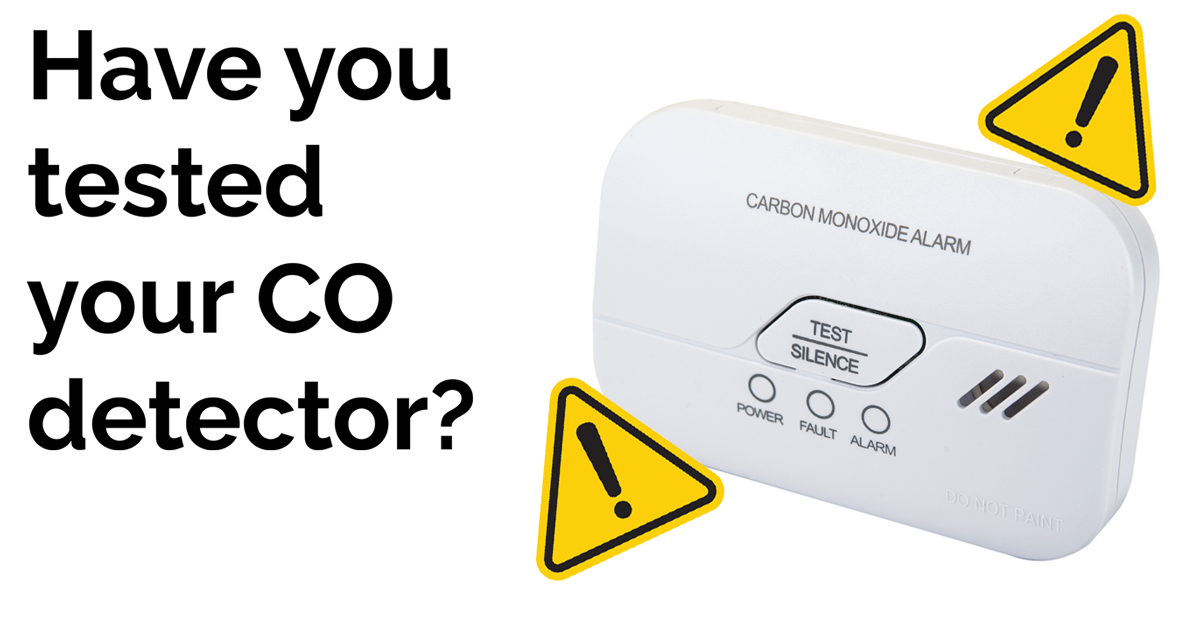
Hurricane Laura, a powerful Category 4 storm, left a path of destruction across Louisiana last year and caused 15 deaths. Eight came after the storm, caused by carbon monoxide poisoning from portable generators.
Sheletta Brundidge’s relatives were among the victims. They rode out the hurricane but lost power after the storm. Five family members gathered in one home with a generator running in the garage. As they slept, the garage door blew shut. The home didn’t have a carbon monoxide detector to alert them to the deadly fumes filling the home. They never woke up.
Carbon monoxide kills more than 400 Americans each year and is responsible for 20,000 emergency room visits, according to the U.S. Centers for Disease Control and Prevention. We talked to Sheletta and an expert with our State Fire Marshal’s Office about the proper use of generators, the symptoms of carbon monoxide poisoning, and the importance of carbon monoxide detectors. Watch the interview and check out our tips to protect your family.
May 20, 2021
Start preparing now for 2021 hurricane season
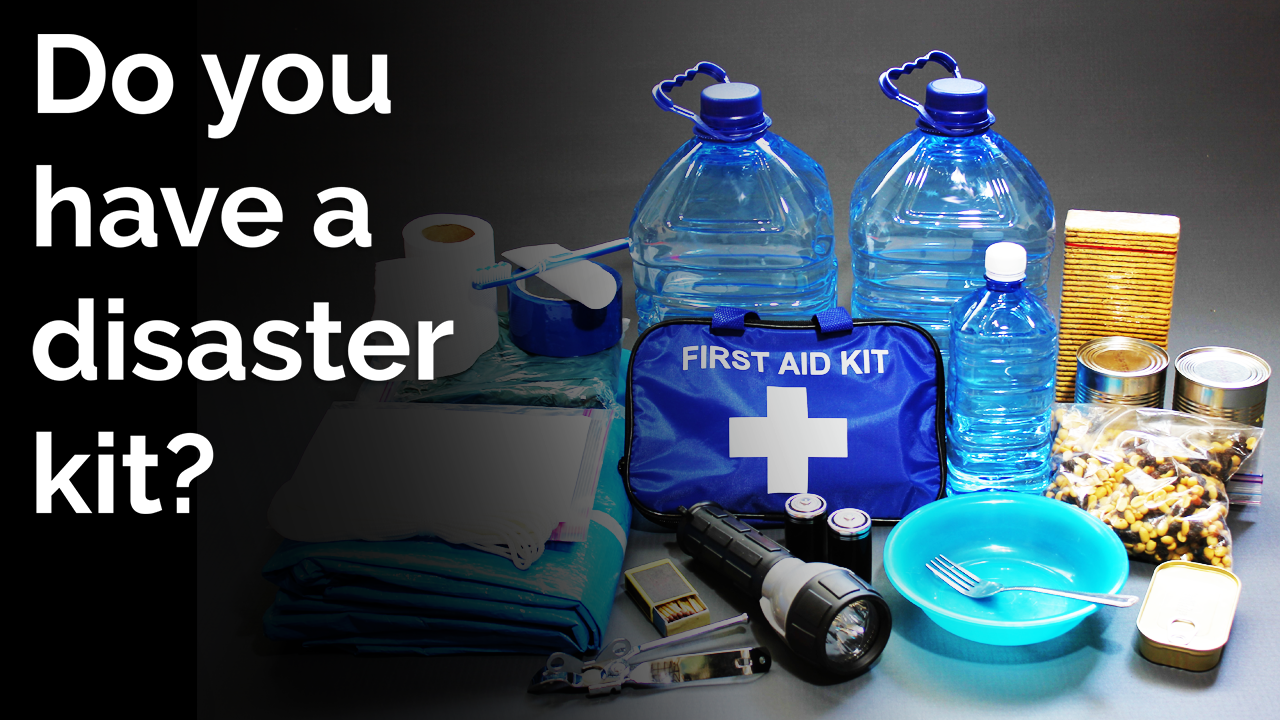
Hurricane season in Texas means the potential for strong storms and flooding. The season starts on June 1, but you can start now to make sure your home and family are ready.
We talked to the Texas Department of Emergency Management to get some tips.
Gabriela Stermolle says we should put together a disaster kit with food, water, important documents, and pet supplies in case we need to leave the house fast.
We can also make our houses storm ready and think about flood insurance. But don’t wait too long: it takes 30 days for flood insurance to take effect.
Watch our interview for more tips to help you prepare for hurricane season.
Learn more about preparing and flood insurance: Before the storm.
May 18, 2021
How rising lumber costs affect your insurance

Lumber prices are through the roof. Even if you aren’t buying or building a house, you might feel the sting of inflation. Higher rebuilding costs may mean higher insurance costs.
Will my premium go up?
Probably. The price of lumber tripled over the last year, adding about $36,000 to the average cost of building a house, according to the National Association of Home Builders. The prices of other building materials are also up.
When renewing your policy, your insurance company will calculate what it would cost to rebuild your home at today’s prices to determine how much insurance you need. If the costs are higher, your company will increase your policy limits.
Why is my insured value different than my appraisal?
Your property’s appraised value includes the cost of your land and factors in how much homes are selling for in your neighborhood. The insured value is the cost to rebuild or replace your home.
Do I have to increase my policy limits?
Some insurance companies require you to insure at least 80% of the cost to rebuild your home. If you have a home loan, your mortgage company will probably require you to have enough insurance to pay off your loan in case of a disaster.
If you do have the option of insuring your property for a lower value, think about how you’d make up the difference if your home was destroyed or damaged. Most insurers will prorate claim payments based on the amount of coverage you have. For example, let’s say the cost to rebuild your home is $200,000, but you only insured it up to $120,000 – or 60% of the replacement cost. Your insurance company may only pay up to 60% of the repair cost for any damage to your home, minus your deductible.
How can I lower my costs?
You could consider increasing your deductible. This will lower your premium payment. When deciding what deductible is right for you, think about how much you can afford to pay if your property is damaged.
May 13, 2021
A look at the 2021 hurricane season
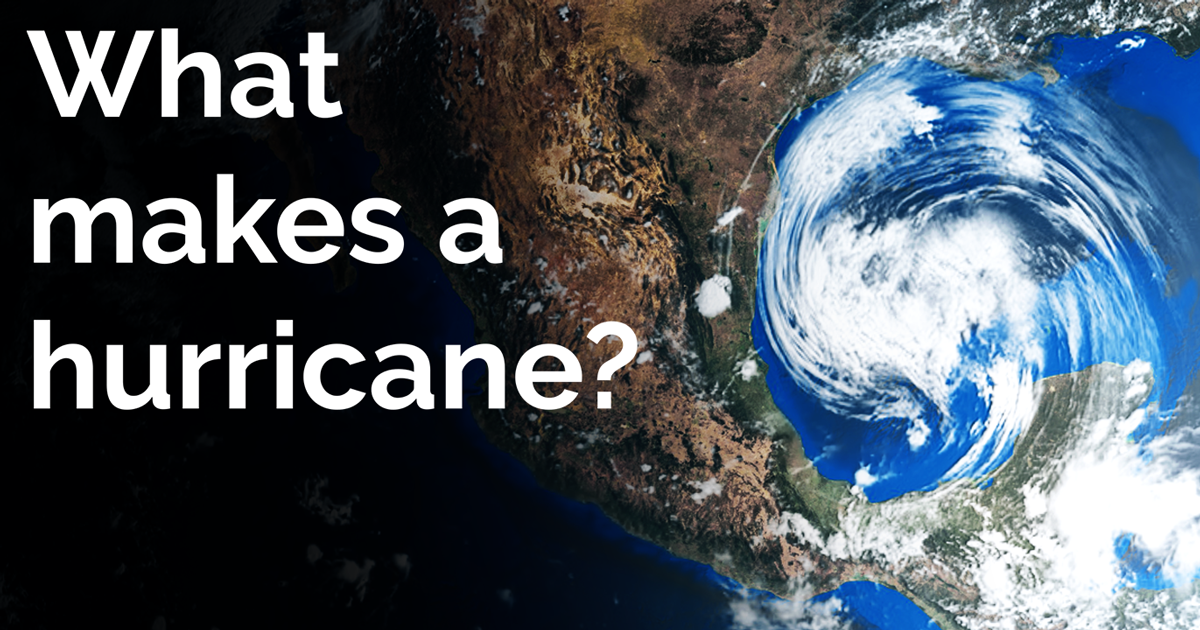
Tropical storm Andres made news this week as the earliest named storm to ever develop in the Pacific Ocean. If it’s a year for surprises, what can we expect for the Atlantic hurricane season? We talked to the National Weather Service to find out.
Paul Yura said the 2021 forecast will probably be like recent years. He also explained that rip currents and improper generator use can lead to more deaths than storm winds.
Watch our interview for tips to prepare for the hurricane season, which begins June 1. For bonus science points, you’ll also learn about Atlantic Multidecadal Oscillation and how it affects hurricane activity!
For more tips, see Before the storm.
May 6, 2021
Tips to help with storm claims, recovery
Texas has already seen damaging spring storms across the state – including what may be a record hailstone in Hondo. Imagine what hail the size of honeydew melon could do to your home.
Our latest podcast explains how to start the claim process, what to if you disagree with your insurance company’s decision, and how to avoid contracting scams.
If your home has storm damage, file a claim as soon as you can. Don’t throw away damaged items until you talk to your insurance company or adjuster. But make temporary repairs to protect your home from more damage – cover broken windows and holes in your roof. Keep the repair receipts. Your policy may cover the costs.
In our podcast, we also share tips from the Roofing Contractors Association of Texas. They’ll tell you to how to find a qualified contractor for repairs.
Help after the storm has more information about claims and repairs.
May 5, 2021
Used car prices are up, so shop smart
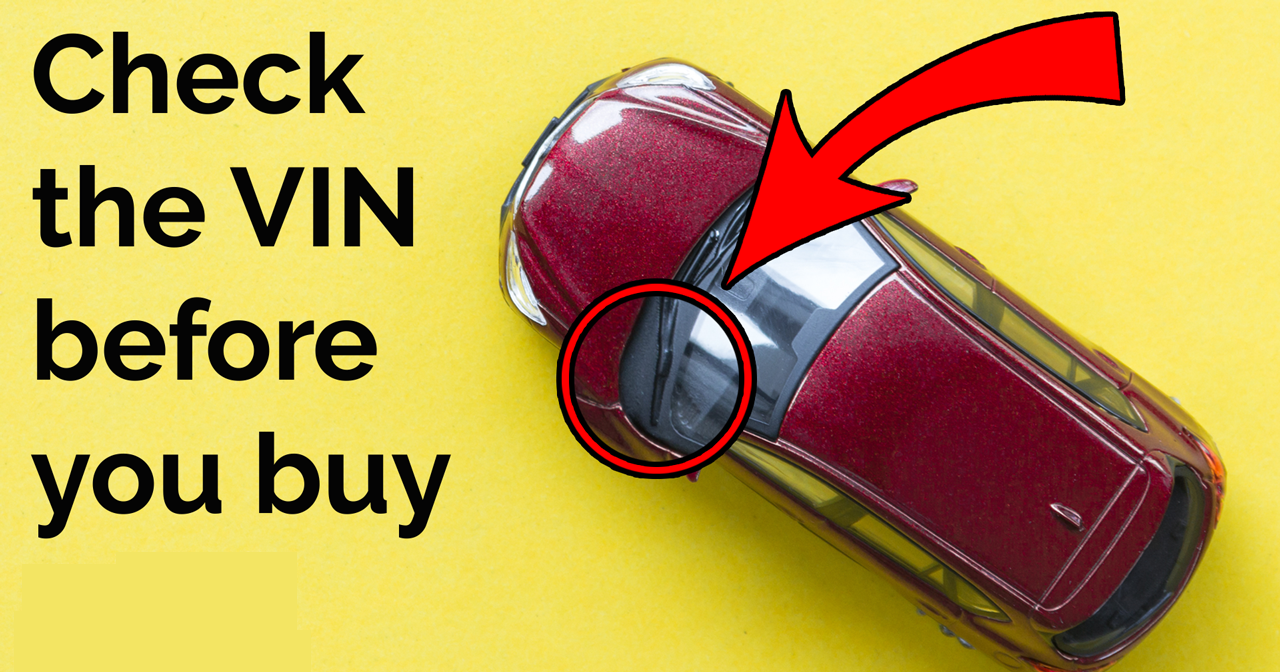
Cars are the latest shortage of the pandemic. A lack of computer chips is slowing production of new cars and trucks, and it’s increasing demand for used vehicles. It’s a great time to sell, but expect to pay more if you’re buying. Average trade-in values hit a record $17,080 in March, up 20% from a year ago, according to the car research website Edmunds.
While you may have to pay more, make sure you’re not getting scammed. Before you buy a used car, check the vehicle identification number (VIN). It will confirm the vehicle’s model year and let you know if it’s been reported stolen or salvaged.
The National Insurance Crime Bureau offers a free VIN check and has links to other services.
For more information about VINs and the information you can get with them, watch our interview with Tully Lehman, an expert at the National Insurance Crime Bureau.
April 23, 2021
Is your insurance keeping up with construction costs?
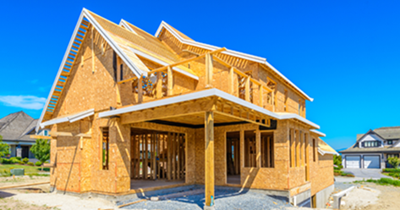
The hot housing market is making headlines across Texas. But it’s not just sales prices that are going up. Construction costs are also on the rise. That National Association of Home Builders reports that lumber prices are up 180% over last year. It’s a good time to review your insurance policy to make sure you have enough coverage after a fire or disaster.
For more information, see Do you have enough insurance coverage to pay for home or car repairs?
April 19, 2021
New podcast looks at increase in auto thefts
Auto thefts were up in Texas and across the nation last year. In our new podcast, we talk to Sgt. Tracy Hicks with the Houston Police Department’s Auto Theft Crimes Task Force about what you can do to protect your car or truck from burglaries and theft.
Thieves often break into cars to look for guns, Sgt. Hicks said. Be especially careful when going to a gun range or store because thieves may be watching the parking lots to identify potential targets. He suggested getting a car safe if you carry guns or other valuables in your car.
Catalytic converters are another hot commodity for thieves, who sell the precious metals inside. Catalytic converters easy to steal and hard to identify. Hybrid cars are often targeted because their catalytic converters – and the metals inside – are usually cleaner than on gas cars. You can get a catalytic converter lock or cover installed to make it harder to remove.
Check out our podcast for more about the latest trends in auto theft and how to protect your car or truck.
We have also a video interview with Sgt. Hicks and information about insurance coverage for auto thefts and burglaries.
April 15, 2021
Buying a house? Ask for a CLUE report
The Texas housing market is hotter than the habanero you didn’t know was in those nachos.
With fewer houses on the market and low interest rates, houses in Austin, Dallas, Houston, and other parts of the state are selling in days and often above the asking price. It’s a seller’s dream, and a buyer’s nightmare. If you don’t make a quick offer, you may lose out. But is that house hiding a maintenance problem?
One way to protect yourself is to ask the property owner for a Comprehensive Loss Underwriting Exchange (CLUE) report. A CLUE report shows the insurance claims filed for a property for the past seven years. An insurance company will check the report and use the claims history as a factor in deciding how much you’ll pay for homeowners insurance.
For more information, including how to request a report, visit How to get a CLUE about your claims history.
Learn more