
January 2025
Doing a home inventory now can get your insurance claim paid faster later

Keeping a list of stuff inside your house—or a home inventory—could help you make a homeowners insurance claim after a fire or disaster.
Most insurance companies will want a record of lost or damaged items before they pay a claim.
Many companies have apps or online forms to help you make a home inventory—or you can build your own by using your phone to take pictures or video of each room in your home.
Some tips:
- Open closets and drawers. Record serial numbers, model numbers and estimated values of valuable items like appliances and electronics.
- Check your garage or storage shed for tools, lawn equipment, and sporting goods.
- Store your inventory, receipts, and appraisals online, in a safety deposit box, or away from your home with a family member or close friend.
- Update your inventory regularly, especially after making big purchases.
How do you make a home inventory? Watch this video.
Have a question about insurance? Call TDI’s Help Line at 800-252-3439 or visit tdi.texas.gov.
December 2024
Winter fire safety from your kitchen to the backyard

From your kitchen to the backyard, be careful around fire.
Some winter fire safety tips:
- Enjoy candles with caution and always blow them out before you go to sleep. Keep candles at least a foot away from anything that could catch on fire. Never leave children alone in a room with a lit candle. Battery-powered candles are safest.
- Check electrical cords for all plug-in holiday lights. Replace damaged ones. Any cord used for outdoor lights should be designed for that purpose. Use clips, not nails, to hang lights. Nails can rip cords.
- Don’t leave the kitchen if you’re cooking on the stovetop. Never leave home with your oven on. Don’t use an oven to heat your house.
- Follow local regulations for fireworks or enjoy a professional show. Don’t use sparklers or fireworks near dry grass, brush, or other flammable materials. Keep a water-filled bucket or connected hose nearby. Never aim or throw fireworks at anyone.
Have a question about insurance? Call TDI’s Help Line at 800-252-3439 or visit tdi.texas.gov.
November 2024
Shopping for a health plan? How to avoid problems

With HealthCare.gov and Medicare open enrollment in full swing, many Texans are shopping for health plans.
Shopping for a plan can be complicated. You don’t want to get scammed or not get the coverage you need.
Shop smart
TDI’s shopping checklist has questions to ask before you buy a plan.
Confirm plan details
Premiums, provider networks, and plan details can change, so it’s a good idea to shop every year. Shopping tools can help you search for plans that cover your preferred doctors and drugs. Consider each plan’s deductible, copay, and coinsurance amounts. These are amounts you pay when you get services. Also look at what is covered before you meet your deductible.
To avoid problems:
- Shop from trusted websites like HealthCare.gov and Medicare.gov.
- Beware of salespeople who suggest an alternative health plan, instead of an Affordable Care Act (ACA) plan. Alternative plans have more limits and don’t cover existing health care conditions.
- Some websites or salespeople use terms like gold, silver, or bronze to make plans sound like ACA plans. But a plan might have fewer benefits or not meet ACA coverage expectations.
Be cautious of cold calls and scams
If you didn’t make the phone call about a plan, don’t give away any personal information, including Social Security, Medicare, or banking, credit card or account numbers. If you’re interested in a plan, ask for all information in writing.
Other ways to protect yourself:
- Remember that scammers can “spoof” a phone number to make it show up as another business on caller ID.
- Beware of ads on social media or elsewhere online offering you gifts. The personal information you share could be used without your permission.
- Be suspicious if anyone tries to pressure you to buy quickly. There are no “special deals” on health plans.
Call TDI’s Help Line at 800-252-3439
TDI can help with questions about coverage options, insurance companies, and agents we regulate.
October 2024
Expert insurance help for Texans
Looking for information about insurance?
We got you.
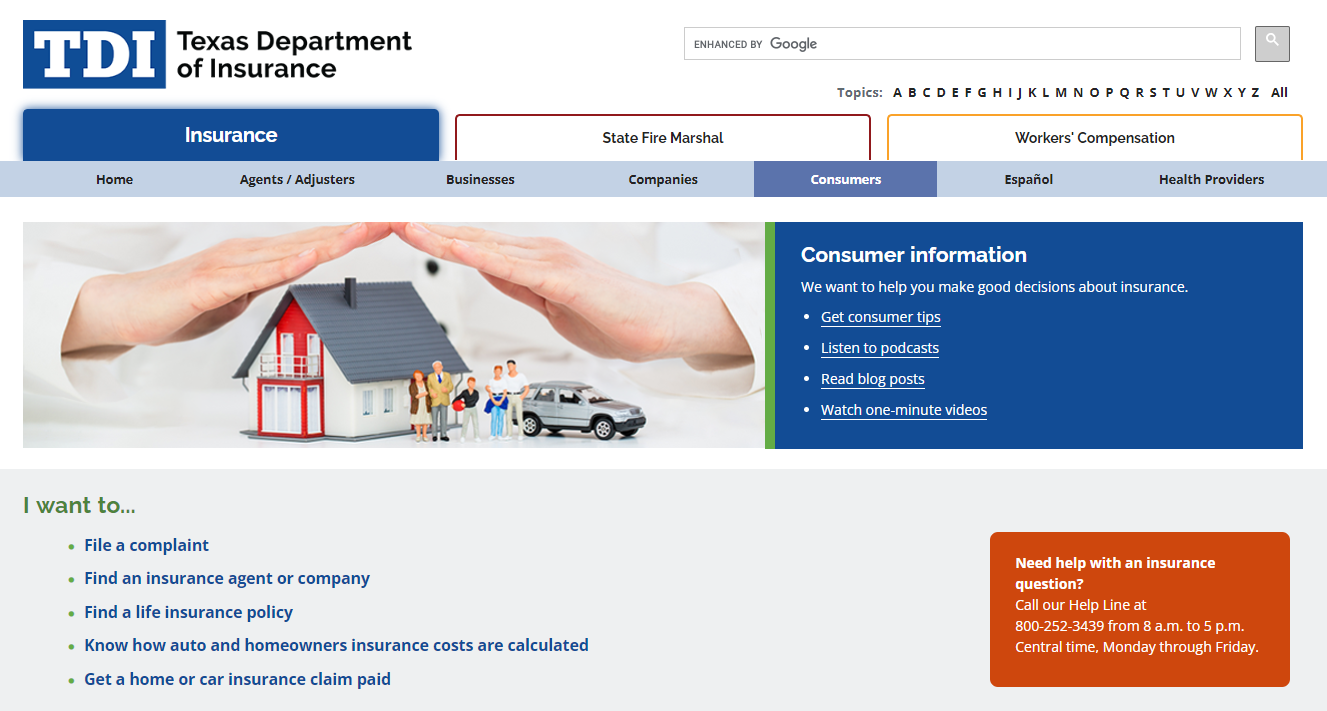
Check out a range of consumer tips, videos, blog posts and podcasts from experts at the Texas Department of Insurance—all available in Spanish too.
On your phone or computer, go to tdi.texas.gov. Next, click the “Consumers” tab near the top of the page. Or for Spanish, click “Español.”
You’ll find resources including:
- How to find an insurance agent or company.
- Tips for saving money on auto or homeowners insurance.
- How to file a complaint.
Have a question about insurance? Call TDI’s Help Line at 800-252-3439 or visit tdi.texas.gov.
September 2024
How to spot changes in your homeowners or windstorm insurance

If you’re renewing or changing your homeowners or windstorm insurance, make sure to check for possible costly changes.
Some tips:
- Read the declarations, or “dec page" of your policy. It shows the dates your policy is in effect and the amounts and types of coverage. It also lists the dollar amount of each deductible – that’s what you have to pay if you need to make a claim before your insurance pays.
- Ask your agent if your deductible is staying the same or changing. A common deductible amount is 2% for wind or hail damage and 1% for other types of damage.
- If you’re renewing your policy, look at the last pages of the renewal to see if there are new endorsements or exclusions. If you see anything you don't understand, ask your agent or company to explain.
Have a question about insurance? Call TDI’s Help Line at 800-252-3439 or visit tdi.texas.gov.
August 2024
How to safely run your portable generator
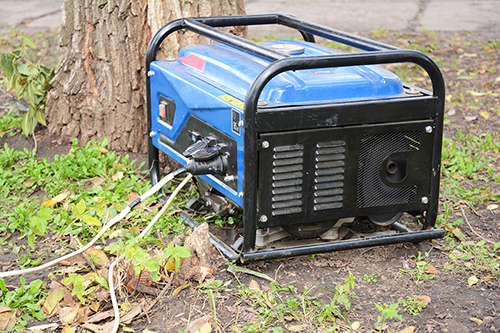
A portable generator can make a big difference during a power outage.
Follow these tips to use your generator safely:
- Read the generator’s owner’s manual to avoid dangerous risks.
- Run the generator outdoors at least 20 feet from your home’s doors, windows, or vents. You don’t want to breathe in carbon monoxide gas, which is colorless, odorless, and deadly. Wind can blow carbon monoxide inside. Never use a generator in a garage, even if the door is open.Turn your generator off and let it cool before refueling.
- Don’t store fuel inside your home.
- Use a heavy-duty, outdoor-rated extension cord to power appliances connected to the generator.
- If you want to connect your generator to your home’s wiring, hire a licensed electrician. Make sure the electrician uses a properly rated switch that meets electrical codes.
- Make sure you have a working carbon monoxide detector in your home, even if the generator stays outside.
Have a question? Call the Texas State Fire Marshal’s Office at 512-676-6988 or visit www.tdi.texas.gov/fire.
June 2024
You affect your home and auto insurance costs

Each insurance company uses many factors to calculate what they charge a customer.
Some factors are about you, your home, or your car.
For home insurance, common factors include:
- Your home’s age.
- How old your roof is and what it’s made of.
- Where you live.
- The cost to replace your house.
- Your claim history.
- Your credit score.
For auto insurance, common factors include:
- Your driving record and claims history.
- Where you live and how much you drive.
- Your age, gender, and marital status.
- Your occupation.
- The cost to replace the car you drive.
- Your credit score.
A change in any factor can raise or lower your premium. This includes characteristics that change over time, such as the value of your home or auto.
The Texas Department of Insurance (TDI) doesn’t have information about your policy or what factors caused your premium to change. Your company should be able to tell you why it raised your premium.
Have a question about insurance? Call TDI at 800-252-3439 or visit www.tdi.texas.gov.
May 2024
Outside factors affect home, auto insurance costs

Numerous factors affect the cost of claims that insurance companies pay as their obligation under an insurance policy.
These factors include:
- Inflation, which can affect the cost of new and used vehicles, car parts, and repairs. It can also increase the cost of building materials and construction labor. Supply chain disruptions can affect the flow of construction materials and car parts from around the world.
- Riskier driving, which results in more severe and costly accidents. As companies pay more claims (and higher vehicle repair and replacement costs), they’re more likely to raise rates to make up for those costs.
- Weather events, which in Texas include freezes, hurricanes, hailstorms, tornadoes, wildfires, major thunderstorms, and more. The frequency and size of these events add to claim costs.
- Reinsurance, which is a form of insurance for insurance companies. Companies buy reinsurance to spread their risk and be financially stable if a major disaster occurs. Higher reinsurance rates affect what insurance companies charge customers.
Have a question about insurance? Call the Texas Department of Insurance at 800-252-3439 or visit www.tdi.texas.gov.
April 2024
State doesn’t set your insurance premiums

Consumers often tell the Texas Department of Insurance (TDI) that their insurance company or agent told them that their premium went up because the state made them raise rates. TDI doesn’t set the homeowners or auto insurance rates that your insurance company charges.
Insurance companies can change their rates and premium formulas by sending them to TDI. This is called a “rate filing.” Companies can use the new rates as soon as they send them to TDI.
Companies are required to provide an analysis that supports the rate changes they file. TDI staff review the analysis and ask for more information, if needed, to evaluate whether the rate changes are supported and follow state law.
By law, rates must be adequate; not be excessive; be based on sound actuarial principles; be reasonably related to all costs; and not be based on the insured’s race, creed, color, ethnicity, or national origin.
If your auto or home insurance bill is rising, ask your company to explain the increase and if you’re getting all available discounts.
You might want to shop for a better deal.
You can start your search at HelpInsure.com to get sample estimates. Then call companies to get price quotes.
You might want to call an independent insurance agent. They can help make sure you’re comparing the same type and amount of coverage.
Have a question about insurance? Call the Texas Department of Insurance at 800-252-3439 or visit www.tdi.texas.gov.
March 2024
Five steps to getting your insurance claim paid

Tips for getting your insurance claim paid:
- Make your claim. Submit your claim, along with photos and videos of all damage, to your insurance company or someone else’s company. Start by telephone or email—or go online or use a company app. Keep receipts for all your expenses.
- Answer questions. The insurance company will ask follow-up questions. Answer fully and quickly. You might see an adjuster in person. If you do, get their name, phone number, and email address to have handy. Take notes on every communication.
- Be aware of deadlines. Your company has 15 business days to say it’s received your claim. It has 15 more days after getting all the information it needs to decide if it’ll pay. If your claim is rejected, the company must say why in writing. If your claim is with someone else’s company, that company doesn’t have the same time limits, but should treat you fairly.
- Choose a contractor. You may take your car to any repair shop. If you’re choosing a contractor, get bids from several. Don’t sign any contract with blank spaces. Don’t pay in full up front.
- Get paid. If you’re using your own insurance, your company will subtract your deductible from your claim payment. You owe the deductible to the contractor or repair shop. Once an insurer agrees to pay, it has five business days to get at least part of the payment to you. If your claim is with someone else’s company, there’s not a time limit, but it should try to make a prompt and fair settlement.
Have a question about insurance? Call the Texas Department of Insurance at 800-252-3439 or visit www.tdi.texas.gov.
February 2024
Ready to get in shape? Your health plan could help

You know that your health plan backs medical care.
Your plan also might help you get fit.
Check your plan’s website or call your agent to see if your plan offers:
- Free or discounted weight loss or wellness programs.
- Free or discounted programs to help quit cigarettes and other tobacco products.
- Discounts on gym memberships.
- A free app to help you count steps and track your fitness.
Your plan also might have discounts on personal training, massage, and acupuncture.
Similarly, your workplace might have wellness incentives. Some employers offer coaching by phone or health screenings. Check with your human resources department.
Have a question about insurance? Call the Texas Department of Insurance at 800-252-3439 or visit www.tdi.texas.gov.
January 2024
Space heater on? Know these safety tips

A space heater is a great way to warm yourself up in the winter months if you go about it safely.
“We see several fatal fires around this time of year that involve a space heater,” said Debra Knight, the state fire marshal. “Most of them are accidental and could have been avoided by following some basic safety steps.”
To avoid setting an accidental fire with a space heater, follow a few safety tips:
- Inspect the heater to make sure it has no loose wires or cracked or broken plugs. If so, replace the heater.
- Always plug your heater directly into a wall outlet. Avoid extension cords or power strips.
- Reduce risk by keeping your heater at least three feet from anything that can burn, including furniture, blankets, or mattresses.
- Turn off your heater before you leave the room or go to bed. The best way to be sure: Unplug it.
- Never use or store flammable liquids in the same room as a space heater. And because heaters are electric, don’t get near one when you’re wet.
Heating equipment, including space heaters, are the third leading cause of home fire deaths behind smoking materials and cooking. Space heaters account for more than 15% of all home fire deaths.
Have a question about insurance? Call the Texas Department of Insurance at 800-252-3439 or visit www.tdi.texas.gov.
December 2023
Get your home ready for a winter freeze

In 2021, snow and frigid weather caused billions of dollars in damage resulting in hundreds of thousands of Texas insurance claims.
Take these steps now to protect your property in advance of freezing temperatures:
- Trim trees that have branches hanging over your house or cars.
- Seal leaks or cracks around bathroom and kitchen pipes.
- Test your carbon monoxide and smoke alarms. Replace alarms that are 10 years old or more. If your battery-operated alarm has no date label, it’s outdated; replace it.
- Get your chimney inspected and cleaned. Creosote buildup can start a fire.
- Learn where your water shut-off valve is outside. It’s usually in an underground space under a cover near the street.
If freezing weather is in the forecast, you can:
- Cover outdoor faucets and exposed pipes. Also cover indoor pipes in unheated areas, like an attic or a garage.
- Run water through your indoor faucets – hot and cold – before you go to sleep. Or you can let faucets drip from the taps.
- Drain lawn sprinkler lines leading into your home.
- Turn off the water at the shut-off valve if leaving your house before a possible freeze. Also, leave your heat on.
If your pipes burst, your homeowners insurance could help. Most insurance pays for “sudden and accidental” damage. Frozen pipes and broken appliance hoses are common examples.
Have a question about insurance? Call the Texas Department of Insurance at 800-252-3439 or visit www.tdi.texas.gov.
November 2023
Keep your family safe from carbon monoxide
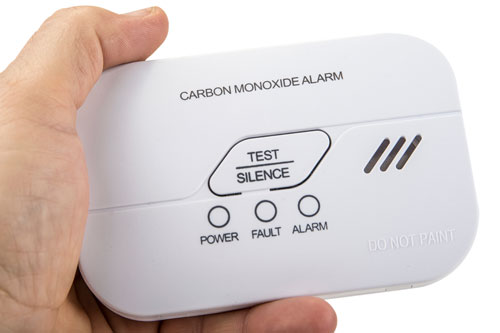
There’s a good chance you have a natural gas, propane, or wood burning appliance in your home. Are you protected against carbon monoxide?
Carbon monoxide is deadly to humans and pets. You can’t see, taste, or smell it.
These tips will help keep you and your family safe:
- Install a carbon monoxide alarm in your house. It’s also a good idea to get a portable alarm for when you travel.
- Test your alarm monthly.
- Don’t use a stove to heat your home.
- Don’t use a charcoal grill inside.
- Keep your fireplace clean, and always open the flue when you use it.
- Don’t leave your vehicle running in the garage, even with the door open.
- Don’t run a portable generator in or near your home. Make sure it’s 20 feet away from open doors and windows.
- If your alarm sounds, move outdoors immediately and call 9-1-1.
Have a question about fire safety? Call the State Fire Marshal’s Office at 800-578-4677 or visit www.tdi.texas.gov/fire.
September 2023
How to get home insurance discounts

Do you want to lower your home insurance costs?
Make sure you’re getting all your discounts.
Ask your insurance agent or company about possible discounts such as a:
- Safe home discount, especially if you have a security alarm.
- Smoke alarm or sprinkler discount.
- New home discount. If your home was built or renovated in the last five years, your insurance company might reduce your premium.
- Roof discount. Companies often offer discounts for roofs made of materials that help prevent damage or resist fire. Homes with newer roofs may get a roof age discount.
You also might get a discount for having multiple policies with the same company.
Also, shopping different companies could pay off. Get sample rates at the Texas Department of Insurance’s HelpInsure.com.
Have a question about insurance? Call the Texas Department of Insurance at 800-252-3439 or visit www.tdi.texas.gov.
August 2023
Life insurance can help

If your loved ones financially depend on you, you might want to buy life insurance.
Proceeds from a life insurance policy can cover burial expenses. And beneficiaries could use the money to help pay mortgage or tuition costs.
Some policies provide benefits to you while you are alive.
There are two basic types:
- Term life insurance is the simplest and least expensive. It covers you for a set number of years—until age 60, for instance.
- Permanent life insurance provides coverage throughout your life as long as you pay your premiums. These policies are complex, so it’s a good idea to talk with a financial planner.
Need to track down a missing life insurance policy? You can search for a policy or annuity through the National Association of Insurance Commissioners.
Have a question about insurance? Call the Texas Department of Insurance at 800-252-3439 or visit www.tdi.texas.gov.
July 2023
Tornado watch or tornado warning? Big difference
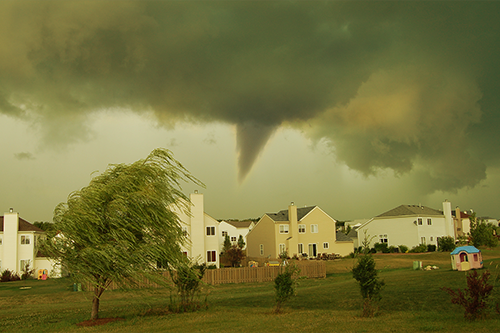
A tornado watch is not the same as a tornado warning.
The big differences:
- A tornado watch tells you to keep an eye out for a possible tornado. Pay close attention to local sources of weather information.
- A tornado warning means a tornado’s been recently spotted in your area.
Warning
If you hear a tornado warning, immediately take cover. If you’re in a car, truck, trailer, or mobile home, get out and enter the closest building.
If you’re driving, don’t stop under bridges or overpasses. They don’t protect you from winds or flying debris.
If you’re caught outside and can’t get to a building, lie flat and face down in the nearest ditch or depression. Cover your head with your hands.
If you’re in a house or other building, go to an interior room, bathroom, or closet on the lowest level. Cover yourself with blankets, towels, or a mattress.
Don’t open windows; it doesn’t help equalize pressure. Also, shut all your doors; this could reduce the chances of your roof blowing off.
Watch
If you hear a tornado watch, tune in to your local weather report to keep track. Get ready to move to a safe space.
A tornado watch area is often large. It can include multiple counties, even whole states.
Under a tornado watch:
- Review your emergency plans.
- Bring in or secure outdoor objects that could blow around.
- Check supplies such as batteries, flashlights, water, nonperishable food, and medicines.
- Identify your safe room.
Summing up: A tornado watch means get ready. A warning means move—now—to safety.
Have a question about insurance? Call the Texas Department of Insurance at 800-252-3439 or visit www.tdi.texas.gov.
June 2023
Your portable generator can keep your family safe
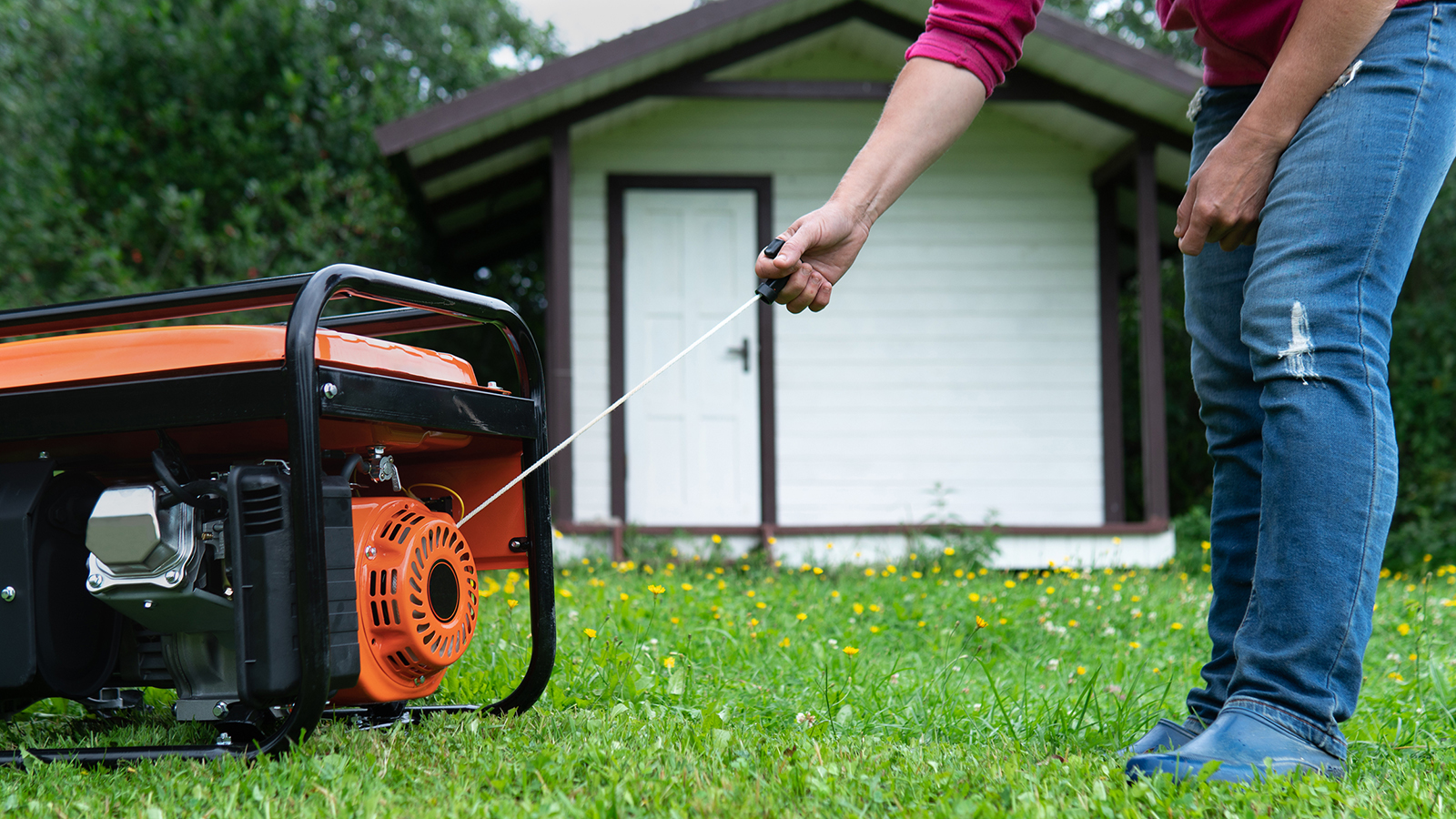
Using a portable generator can keep major appliances working during a power outage.
Just remember to use it safely.
Protective tips:
- Place your generator outdoors, at least 20 feet from your home’s doors, windows, or vents. Keeping distance helps protect you from carbon monoxide gas, which is colorless, odorless, and potentially deadly.
- Let your generator cool down before refueling.
- Don’t store fuel inside your home.
- Plug appliances directly into your generator or use a heavy-duty, outdoor-rated extension cord. Check extension cords for cuts, tears, or missing prongs.
- If you want to connect your generator to your home’s wiring, hire a licensed electrician. Make sure the electrician uses a properly rated switch that meets electrical codes.
Another essential: Read your owner’s manual. This will help you avoid unnecessary risks.
Have a question about insurance? Call the Texas Department of Insurance at 800-252-3439 or visit www.tdi.texas.gov.
April 2023
Plan for changing insurance needs through life

Your first car could be just a dented memory — or you’ve found your dream house and expect to expand your family.
Life is change — which is also true of your insurance needs.
Some milestone insurance tips:
- Expecting a baby? If your health plan uses a network, make sure your doctor and hospital are in that network, which could save you money. Also, ask how much you’ll have to pay in other charges. See if your plan covers a breast pump, breastfeeding support, or post-partum counseling. And remember to add your new baby to your coverage. (And, by the way, congratulations!)
- Growing family? As your family grows, consider buying life insurance. It could give you peace of mind about future costs such as housing, childcare, education, and any medical needs if you aren’t around. If you and your spouse both contribute to the family’s finances, you’ll both need coverage.
- Off to college When heading to college, your premium could change if you’re driving your car far from home; check with your agent. For health coverage, you can stay on your parent’s plan until age 26. If you rent an apartment or house off campus, consider renter’s insurance; it will cover your stuff in the event of loss.
- Deploying for Uncle Sam Talk to your agent about your auto insurance if nobody will be driving your car while you’re serving or you’re leaving it in someone else's care. Save stress by setting up automatic premium payments on other insurance. Need more life insurance? Active-duty military personnel, including reservists and National Guard members called to active duty, are automatically insured for $400,000. To consider more coverage, get price quotes from several companies. The Department of Veterans Affairs has a life insurance needs calculation tool and information on plans.
Have a question about insurance? Call the Texas Department of Insurance at 800-252-3439 or visit www.tdi.texas.gov.
March 2023
5 tips to shop and save money on car insurance

To get the best deal on insurance, you’re going to have to shop from time to time.
Some cost-saving tips:
- Review your coverages. A change in how you use your car may affect your coverage and save you money. Think about the cost of keeping collision coverage on an older vehicle. Learn if working from home makes a difference in types of coverage you should have.
- Get auto coverage quotes from several companies and vendors. Some insurance is sold through company agents, some by independent agents and brokers. And you can buy directly online or by phone.
- Adjust your deductible. You can cut your premium by agreeing to a higher deductible. The deductible is what you’ll pay after a covered loss, before your insurance coverage kicks in. Carefully consider what you can afford.
- Ask about discounts. Companies might offer discounts, including if your teen driver has good grades.
- Check on bundling options. Total insurance costs can go down if you buy home, auto, or other coverages from one insurance company.
- Use HelpInsure.com to compare rates and coverages for companies that sell the most auto policies in Texas.
Have a question about insurance? Call the Texas Department of Insurance at 800-252-3439 or visit www.tdi.texas.gov.
February 2023
When a tree falls, does your insurance apply?
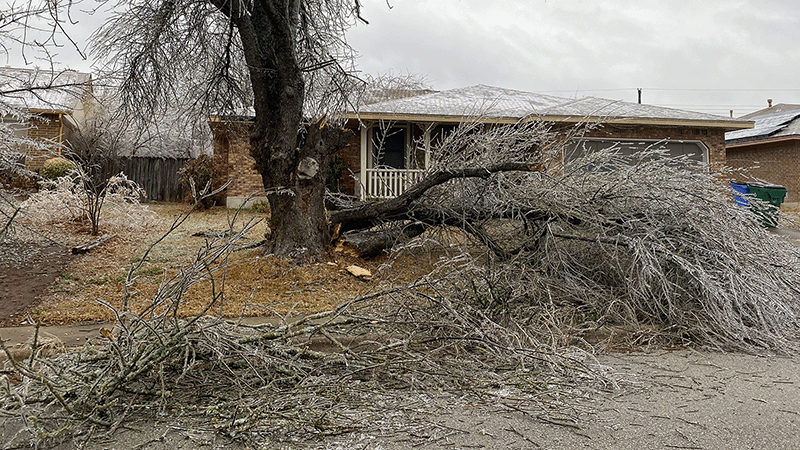
Will insurance pay when a tree crashes down on your car or house?
Sometimes.
If a tree or branch falls on your house or car, use these tips:
- Take photos of the damage before you move the tree, make repairs, or take other steps to prevent more damage.
- Make temporary repairs to prevent more damage, and contact your agent or insurance company as soon as possible.
- Save your receipts for reimbursement. Your homeowner policy should cover materials and labor used to make repairs.
Many homeowners policies provide some coverage if a tree falls in a storm and your house is damaged or limbs block your driveway.
But limbs and trees falling in your yard usually aren’t covered. Call your agent or company to check.
If your neighbor’s tree falls on your house, their homeowners policy probably won’t cover the damage and tree removal, unless your neighbor was at fault. Your neighbor isn’t responsible for acts of nature.
If your neighbor’s policy doesn’t pay, you can file a claim under your own policy.
If a tree falls on your car, your auto insurance will pay for damage if you have comprehensive coverage.
Have a question about insurance? Call the Texas Department of Insurance at 800-252-3439 or visit www.tdi.texas.gov.
January 2023
New year is a chance to clean up — and review your insurance

This new year might inspire you to clean your garage or tidy your shelves.
Good ideas! And when you’re done, why not review your insurance coverages? A little research could save you money and improve your benefits.
Use these tips to get started.
First off, if you moved or changed your phone number, make sure you told your health plan and your home and auto insurance companies.
For your health plan:
- Find out which nearby emergency rooms and urgent care centers are in your plan’s provider network. This could spare you time and money in an emergency.
- Ask your health plan or visit its website to find out if you can use a nurse phone line or a virtual doctor visit. Make a handy list.
- Check if your health plan has programs to help you lose weight or stop smoking. Your plan might even pay for a gym membership.
For your home and auto policies:
- Consider if you should drop collision and comprehensive coverage on an older car or truck that’s been paid off. It might not be worth having it. Your vehicle might be worth less than the coverage.
- Liability coverage is usually cheap. Ask how much it costs to increase your limits. The extra protection might be worth it.
- Ask your insurance company if you have enough coverage to rebuild your home after a disaster. Repairs are more expensive than they used to be.
- Did you make any changes to your home such as adding on, enclosing the porch, or upgrades to your heating and cooling? Make sure to tell your insurance company about them.
- Make a digital inventory of furniture, appliances, and other valuable objects in your home. This list could ease your recovery after a fire or other incident.
- Think about buying flood coverage. Homeowners policies don't cover flood damage.
- Shop around to compare insurance coverage and prices.
Finally, for any insurance, ask what discounts the company offers that could make the price cheaper.
Happy New Year.
Have a question about insurance? Call the Texas Department of Insurance at 800-252-3439 or visit www.tdi.texas.gov.
August 2022
Spacecraft hit your home? Most insurance covers that.
Maybe you heard; NASA plans a year-long study of reported UFOs.
But did you know that most home insurance policies would pay if a spaceship hit your house?
Really.
In the unlikely event a spacecraft damages your home, most home policies would pay for damages. Falling objects is a “covered peril.”
Here’s what else your home policy probably covers—and doesn’t:
- Damages from hail or fire are covered.
- Tornado and inland hurricane damages are covered. If you live near the Gulf Coast, you’ll likely need a separate windstorm policy.
- Most policies cover water damage from leaks and broken pipes, but there are exceptions. Read your policy to see what’s covered.
- Most policies do not cover damage from water that comes from outside your home. You’ll need a separate flood policy.
- Damages from earthquakes are not covered. Neither are termites, wear and tear, and sewer backups.
Have a question about insurance? Call the Texas Department of Insurance at 800-252-3439 or visit www.tdi.texas.gov.
July 2022
Leave July 4 fireworks to the professionals

Love fireworks? To stay safe, let a professional light up your Independence Day.
State Fire Marshal Orlando Hernandez advised: “If you want to see great fireworks, go to a professional show. Our office has issued many permits for communities to enjoy Fourth of July shows. So, you should have one nearby.”
Another caution: Your county might be under a burn ban. Most communities don’t allow you to use fireworks within city limits or during burn bans.
Check with your local fire department to see what’s allowed.
“Also, there are no safe fireworks for children,” Hernandez said. “Some sparklers burn at temperatures of nearly 2,000 degrees, as hot as a blow torch.
“Celebrate,” Hernandez said, “and stay safe.”
Want to learn more about fireworks safety? Visit the Texas Department of Insurance’s website at www.tdi.texas.gov.
June 2022
Hurricanes predicted? Here are 5 tips to prepare.
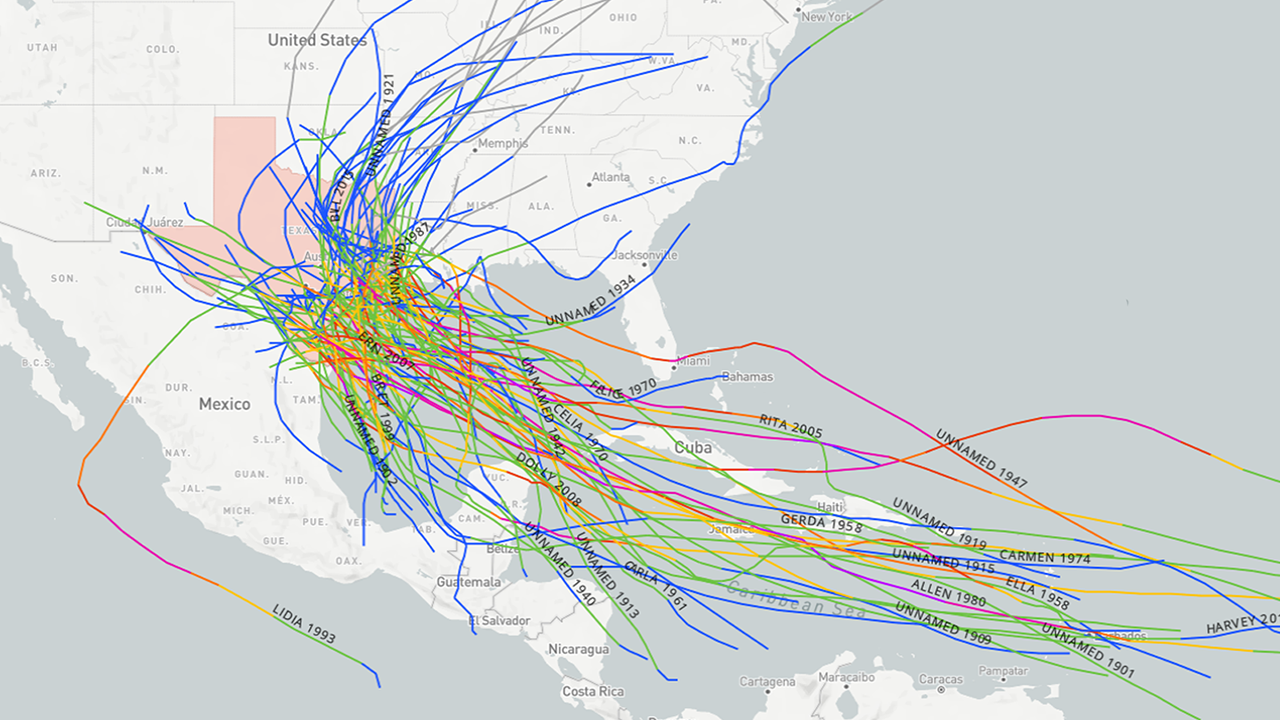
Texas has been hit by more than 25 major hurricanes
over the years (NOAA illustration).
Click on image to enlarge
Texas and the U.S. could be in for another busy hurricane season, which runs from June through November.
The National Oceanic and Atmospheric Administration predicts up to 10 hurricanes. Colorado State University experts forecast 9 hurricanes and they say there’s a 54% chance that a hurricane comes within 50 miles of the Texas coast.
Some tips to prepare:
- Consider buying flood insurance. Flood damage isn’t covered by your home insurance. Don’t wait long: flood policies typically don’t take effect for 30 days after purchase.
- Write a family disaster plan. Start from the TexasReady.gov website.
- Decide where and how far you’ll go if you have to evacuate.
- Build a “go kit” with food, medicine, clothes, pet food, and other vital supplies.
- Make a room-by-room home inventory (PDF). This could help later if you file a claim.
Have a question about insurance? Call the Texas Department of Insurance at 800-252-3439 or visit www.tdi.texas.gov.
May 2022
How to avoid getting struck by lightning
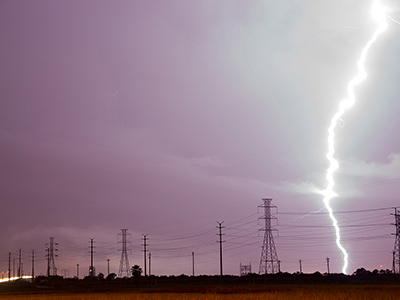
Shocking fact: Lightning can strike 10 miles away from rain.
In any given year, your chances of getting struck by lightning are slim. Of course, if you ignore the dangers of thunderstorms your chances of getting hit go higher.
Heed these tips and avoid zaps from the sky:
- If you’re outdoors and you see lightning or hear thunder, go inside a sturdy building or get inside a hard-top car or truck and close the windows.
- Avoid utility poles, barbed wire fences, tractors, and motorcycles.
- Don’t lie flat. If your hair stands on end, squat down and put your head between your knees.
- If you’re indoors, stay away from plugged-in appliances and don’t take a shower or bath, wash dishes, or stand near plumbing. Water pipes conduct electricity.
Learn more:
- Thunderstorms: How to protect yourself from lightning
- 5 Tips for lightning safety
- Texas town listed as the US lightning strike capital
Have a question about insurance? Call the Texas Department of Insurance at 800-252-3439 or visit www.tdi.texas.gov.
April 2022
Want to save money on car insurance?

People routinely price-shop food, clothes, tech products, and other items.
It also pays to shop around for insurance. Companies charge different rates and the company you’re with might have raised rates. Insurance companies want your business, and you often get the best rates when you’re willing to switch companies.
Do companies have discounts to help lower the cost?
Yes! Some companies offer discounts if you have a good driving record. There are also discounts for having an alarm on your car, taking defensive driving or driver’s education courses, and having more than one car on a policy. Companies have a lot of discounts, so ask your agent what type of discounts they offer.
What about lowering my deductible? Would that save money?
A deductible is the amount you must pay before the insurance company will pay. A lower deductible generally means that you’ll have to pay more for the policy. You’ll want to think about how much you can afford to pay if your car is damaged.
Have a question about insurance? Call the Texas Department of Insurance at 800-252-3439 or visit www.tdi.texas.gov.
February 2022
Surprise doctor’s bill? You might not have to pay it.

A surprise bill from a doctor or other medical provider can be unwelcome.
Good news: You might not have to pay it.
A new federal law and 2019 state law ban surprise billing in emergencies or when you didn’t have a choice of doctors. Federal law also protects you from surprise bills from air ambulance services.
If you get a surprise bill, visit the Texas Department of Insurance website, www.tdi.texas.gov and click on “ Get help with a surprise medical bill.”
Have a question about insurance? Call the Texas Department of Insurance at 800-252-3439 or visit www.tdi.texas.gov.
November 2021
Outdoor burning: What to know before you light the match

If you plan to light an outdoor fire this fall, remember to check first with your city and county about burn bans and local fire rules. Check the Texas burn ban map to see county burn ban information maintained by the Texas A&M Forest Service.
Statewide, Texas limits outdoor burning to:
- Campfires, bonfires, fire pits, and cooking fires.
- Household trash fires on your home property—only if you lack trash pickup.
Most wildfires start from carelessness. Control your fire by putting trash, grass, leaves and branch trimmings in a burn barrel or similar container. Top it with a screen or metal grid.
Also, keep water, a shovel and a rake handy in case your fire starts to spread. Finally, stay by your fire until it’s out.
Certain items should never be put in a fire—such as aerosol cans or anything that could explode; electrical insulation; building/construction materials including treated lumber; and plastics and asphalt-based materials.
If you spot a dangerous fire, call local law enforcement. You may also call the Texas Commission on Environmental Quality at 888-777-3186.
Have a question about insurance? Call the Texas Department of Insurance at 800-252-3439 or visit www.tdi.texas.gov.
October 2021
Trying to find mental health services? Help is available

Each year, nearly one in five adults experiences a mental health illness. But fewer than half get treatment. Knowing treatment options—including those available through your health plan—can help you or a loved one.
Most comprehensive health plans must cover mental health services—and with no lifetime caps on benefits. And plans that cover mental health services must provide the same level of benefits, such as copays or access to emergency care, as they do for a physical illness or injury. You also may benefit from mental health help lines, telemedicine care, and other valuable services.
If your request or claim for mental health services is denied, ask why. Your health plan will have a way for you to review and appeal denied claims. You can also request an external review by an independent third party—at no charge to you. The Texas Department of Insurance can show you how external reviews work.
TDI’s website provides even more information on mental health coverage, including links to hotlines and how to get help.
Have a question about insurance? Call the Texas Department of Insurance at 800-252-3439 or visit www.TDI.texas.gov.
August 2021
My car was totaled! Now what?

Was your car declared a total loss after an accident or flood? Here are some answers to questions you might be asking.
What does ‘totaled’ mean? Your insurance company compares the value of your car and the cost to repair it. If the repair costs are about the same or more than the car’s value, it will likely consider the car totaled.
What if I think my car is worth more? If you think your car is worth more than the insurance company is offering, you can try to negotiate. Be prepared to show what a car like yours would sell for in your area:
- Get quotes from used car dealers.
- View prices online and look for local ads for similar vehicles.
- Document special features or custom parts on your car.
Can I fix my car instead? To keep your car, let your insurer know quickly. The company will subtract the car’s salvage value from the amount it was planning to pay you. The car also may be issued a salvage title, which could make it harder to insure or sell later.
Have a question about insurance? Call the Texas Department of Insurance at 800-252-3439 or visit www.tdi.texas.gov.
July 2021
Is your house ready for your vacation?

Planning an out-of-town trip? Before heading out, take time to make your home is as safe as possible:
Set timers on interior lights. Criminals look for easy targets. Use a timer on a few lights to make it appear someone is home. Also, don’t let newspapers or mail pile up. Make sure valuables aren’t visible to someone looking through windows, and don’t leave a key outside.
Don’t post on social media. It’s wise not to post online that you’re away even if you think only friends and family can see your social media updates.
Lock doors and windows. This seems obvious, but it’s easy to overlook. Before you leave, walk around the house to make sure everything is locked.
Unplug TVs and computers. It’s Texas. So you never know when an electrical storm could cause a power surge. To protect expensive electronics, unplug them or plug them into a surge protector.
Turn off the main water supply to your home. Even a minor leak can cause major damage if no one is home to catch it.
Have a question about insurance? Call the Texas Department of Insurance at 800-252-3439 or visit www.tdi.texas.gov.
These columns by the Texas Department of Insurance are available for use in publications. They may be edited as needed and used without copyright. For questions, contact TDI media relations at 512-676-6595 or MediaRelations@tdi.texas.gov.
 Stay connected!