

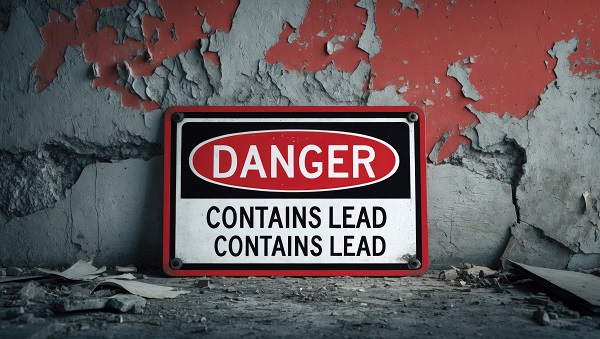
Lead exposure threatens workers in mining, construction, manufacturing, and other industries that disturb old paint, pipes, batteries, or contaminated soil. Cutting, grinding, demolition, or using a torch to burn or flame off old lead-containing paint can release invisible lead dust and fumes. Workers can breathe in lead or swallow it when it settles on their hands, food, or clothing.
Once inside the body, lead enters the bloodstream and damages the brain, kidneys, nerves, and reproductive system. It can also build up in bones over time. Even low levels may cause fatigue, headaches, high blood pressure, anemia, or fertility problems.
Use these tips to reduce your risk:
1 Monitor air for lead levels.
Test workplace air regularly. Keep exposure below OSHA’s permissible exposure limit (PEL) of 50 micrograms per cubic meter over an 8-hour shift. Start extra protections at the action level of 30 micrograms. Increase monitoring, provide blood lead testing, and train workers when exposures reach or exceed this level.
2 Use engineering controls first.
Capture dust and fumes at the source. Install local exhaust ventilation and use wet methods or water sprays during cutting, drilling, or demolition. These controls reduce exposure without relying only on personal protective equipment (PPE).
3 Provide and wear PPE.
Equip workers with NIOSH-approved respirators, gloves, goggles, and disposable coveralls when controls cannot fully protect workers. Place used disposable PPE in sealed, labeled containers and handle as contaminated waste to prevent spreading lead dust.
4 Change clothes and shoes at work.
Store work clothes separately from street clothes. Shower and change before leaving so you do not take lead dust home in your car or house, where it can harm children and family members. If you must wash work clothes at home, wash them separately and run an empty cycle afterward to clean the washer.
5 Follow strict hygiene rules.
Keep food, drinks, and tobacco out of work zones where lead is present. Wash hands and face with lead‑removing soap before eating, drinking, or smoking.
6 Clean work areas daily.
Use HEPA vacuums or wet cleaning methods to remove dust from floors, tools, and surfaces. Never dry sweep or use compressed air, which can spread lead back into the air.
7 Get training and medical checks.
Complete annual training on lead hazards and safe work practices. Employers must provide free blood lead testing for workers exposed at or above the action level for more than 30 days per year and follow OSHA’s medical removal rules when levels are too high. When workers cannot avoid dust clouds, require NIOSH-approved respirators and manage their use under an OSHA Respiratory Protection Program. Train workers on correct fit, use, and maintenance to protect them from breathing fine grain dust.
8 Limit time in high-exposure tasks.
Rotate workers or shorten shifts in dusty areas to cut total exposure under the PEL. Combine this step with ventilation, housekeeping, hygiene, and PPE for the best protection.
Need help?
Contact an Occupational Safety and Health Administration Consultant (OSHCON) or a DWC safety and health training instructor for more information about preventing lead exposure, OSHA compliance, or OSHA authorized customized workplace training:
- Email SafetyTraining@tdi.texas.gov.
- Visit txsafetyatwork.com
- Call 512-804-4610.