

Our pets are family members. When creating an evacuation plan for your home, include your furry, feathery, and scaly friends in your plans. Whether you’re evacuating ahead of extreme weather or escaping from a fire, make sure you have an emergency plan in place.
Practice your plan
- Create and practice a Home Escape Plan to evacuate your family and pets.
- Get your pet used to the sound of your smoke alarms and being leashed or crated quickly.
- Practice evacuating everyone in two minutes or less. Fires get out of control fast, and you want everyone to know what to do and where to go.
- If you can’t evacuate with your pet during a real fire – get out and stay out. Tell first responders about any pets or family members still inside and where they might be.
Make plans if you’re gone
- Place a “Pet Alert” sticker in a front-facing window so responders will know how many pets are in the house.
- Keep your pets on the main level of your home while you’re gone. This makes it easier for them to be rescued.
- Tell a neighbor where your pet’s favorite hiding spots are. They can tell first responders when they arrive.
Prepare to evacuate
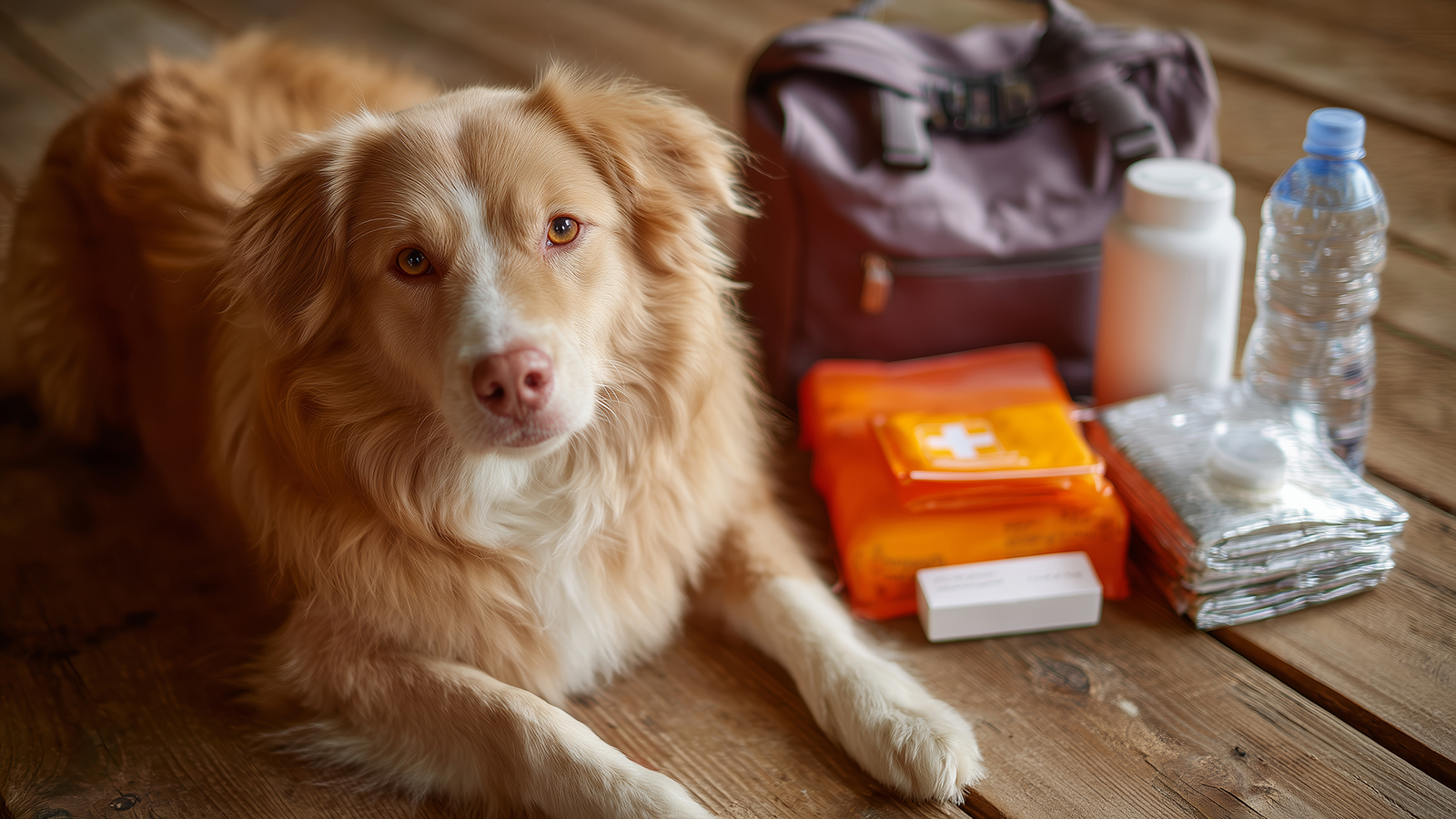
- Make an emergency kit for your pet. Collect supplies and documents and put them in a “go bag” or kennel. Place your kit by the front door where you can grab it as you leave.
- If you can’t stay with family or friends, look for pet-friendly hotels or emergency shelters along your evacuation route. Some hotels waive their no-pet policies during an emergency, so call ahead.
- Make sure your pet’s microchip is updated with your current contact information. If your pet isn’t microchipped, contact your vet.
- If you’re away from home or can’t get to your pet, call relatives and neighbors nearby and ask if they can take in your pet. Local animal shelters or animal services might also help.
Learn more
For more information, visit Prepare Your Pets for Disasters | Ready.gov.
Tips and help
Help and complaints: Get help with questions and issues with your insurance company or agent.
Insurance tips: Learn how to save on insurance, get the coverages you need, and protect yourself from fraud.
Videos: Get informed on a range of insurance topics.
Podcasts: Hear tips and get answers about insurance.